China Top Entry Doors Suppliers for Global Buyers?
Choosing China’s top entry doors suppliers requires more than comparing catalog photos or factory prices. Global buyers need evidence of manufacturing capability, product safety, export experience, and dependable after-sales support. Entry doors must perform in real conditions, from coastal humidity and strong sunlight to winter temperature changes. A door that looks impressive in a showroom may fail when its seals shrink or hardware corrodes.
Market data confirms why this sourcing decision deserves careful research. Grand View Research estimates that the global doors market reached approximately USD 140 billion in 2023, with continued growth expected through the decade. Freedonia’s industry analysis also identifies renovation, residential construction, and energy efficiency as important demand drivers. Meanwhile, UN Comtrade data shows China remains a major exporter across relevant door categories, including wooden, steel, and aluminum products. These figures indicate strong production depth, but they do not prove that every supplier is reliable.
Quality is often hidden in small details. Buyers should examine frame tolerances, insulation values, weather-stripping, glass specifications, coating thickness, and tested hardware. Certifications should match the destination market, not merely appear on a website. Factory audits, sample approvals, inspection reports, and clearly defined Incoterms can reduce costly surprises. No supplier is perfect. Some online rankings also rely on incomplete information, outdated product pages, or paid visibility. This guide therefore evaluates leading Chinese suppliers through practical criteria, including experience, engineering support, production control, customization, compliance documentation, and communication. The recommendations may need updating as prices, standards, and export conditions change. That is an unavoidable limitation. Still, careful verification can help global buyers find capable partners instead of choosing only the lowest quotation.
Types of Entry Doors Offered by Chinese Suppliers
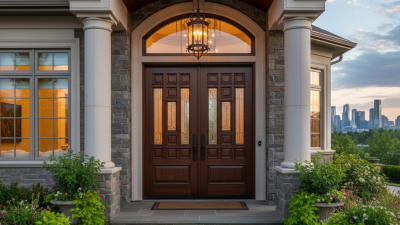
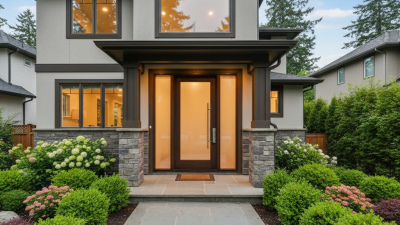
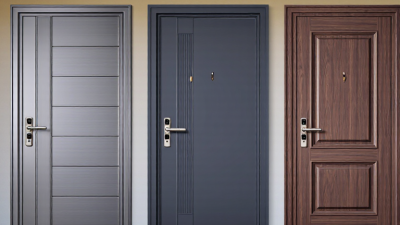
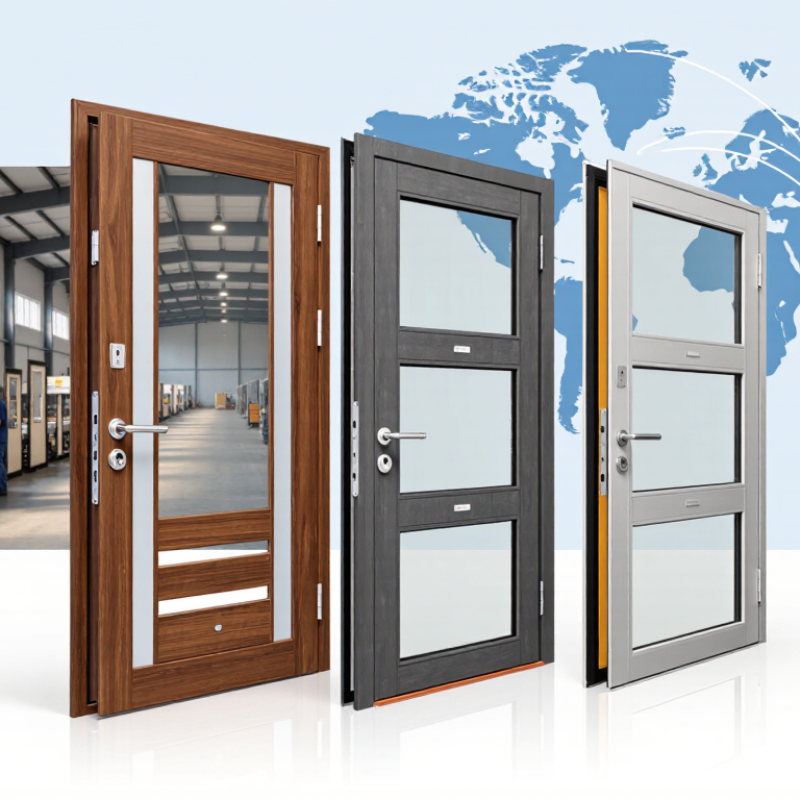
Chinese entry-door suppliers offer practical options for different climates, budgets, and building styles. Common choices include steel security doors, aluminum doors, fiberglass doors, solid-wood doors, and wood-plastic composite models. Steel doors suit apartments and villas needing impact resistance. Aluminum doors provide slimmer frames and better corrosion resistance near coastal areas. Fiberglass doors imitate wood grain with less routine maintenance. Solid wood feels warm and premium, but it needs careful moisture control.
Energy performance deserves close attention. The UNEP Global Status Report for Buildings and Construction 2023 states that buildings and construction created about 37% of global energy-related emissions in 2022. The IEA Buildings 2023 report also attributes roughly 30% of global final energy use to buildings. Therefore, buyers should compare U-values, air leakage, glazing systems, thresholds, and weather seals. Details decide performance. A beautiful door can still waste energy if installation gaps remain.
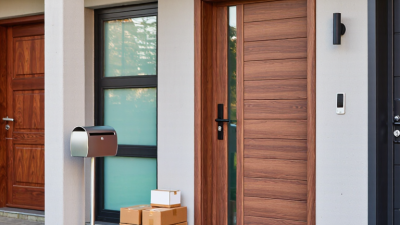
Chinese suppliers may also provide glazed entry doors, pivot doors, insulated doors, and certified fire-rated assemblies. Requirements vary by destination market. Buyers should request test reports, material thickness, hardware specifications, finish samples, and packaging photos before production. Steel is practical. Wood is sensitive. I have seen specifications that looked complete but ignored threshold drainage. That small omission can cause trouble after heavy rain. Supplier capability matters, yet site conditions matter too.
China Top Entry Doors Suppliers for Global Buyers? - Types of Entry Doors Offered by Chinese Suppliers
| Entry Door Type | Common Materials | Typical Construction | Main Performance Features | Suitable Applications | Common Customization Options |
|---|---|---|---|---|---|
| Steel Security Doors | Galvanized steel, stainless steel, steel reinforcement, mineral wool or honeycomb core | Steel frame and leaf with internal stiffeners; single or double leaf configurations | High resistance to impact, strong security, weather-resistant coating options, and relatively low maintenance | Apartments, residential buildings, villas, utility rooms, and commercial entrances | Powder-coat color, embossing, glazing, louvers, locks, handles, peepholes, and door sizes |
| Aluminum Entry Doors | Aluminum alloy profiles, insulated glass, laminated glass, and thermal-break components | Aluminum frame and sash, often with multi-point locking and glazed or panel infill | Lightweight, corrosion-resistant, easy to maintain, and suitable for large glazed areas | Modern homes, offices, hotels, retail buildings, and coastal projects | Anodized or powder-coated finishes, glass type, thermal-break design, transoms, sidelights, and hardware |
| Solid Wood Entry Doors | Oak, teak, walnut, meranti, engineered wood, veneer, and moisture-resistant coatings | Solid or engineered timber core with rails, stiles, panels, and optional glass inserts | Natural appearance, good thermal performance, design flexibility, and strong acoustic potential | Luxury villas, traditional residences, boutique hotels, and high-end residential projects | Wood species, stain color, carving, panel layout, glazing, threshold, dimensions, and protective finish |
| Fiberglass Entry Doors | Fiberglass-reinforced plastic skin, polyurethane foam core, and composite or timber frame | Molded or flush fiberglass panels with insulated core and replaceable hardware | Good moisture resistance, dimensional stability, thermal insulation, and low repainting requirements | Residential entrances, humid climates, coastal homes, and renovation projects | Wood-grain texture, paint color, glazing pattern, panel design, frame material, and hardware finish |
| WPC Composite Entry Doors | Wood-plastic composite, PVC or polymer skins, foam core, and reinforced frame components | Composite door leaf with molded surface, insulated core, and sealed edges | Moisture resistance, resistance to rot and insects, stable appearance, and simple cleaning | Interior-to-exterior residential entrances, apartments, and projects requiring low maintenance | Surface texture, color, panel style, glazing, dimensions, frame profile, and lock configuration |
| Glass and Aluminum Entrance Doors | Aluminum frames, tempered glass, laminated glass, insulated glass, and stainless-steel fittings | Framed or semi-frameless glazed door with hinges, pivots, or concealed closers | High daylight transmission, contemporary appearance, and flexible opening widths | Offices, showrooms, hotels, restaurants, retail stores, and modern homes | Glass thickness and type, frosting, digital printing, frame color, access control, sidelights, and transoms |
| Fire-Rated Steel Doors | Galvanized steel, fire-resistant core, intumescent seals, fire-rated glazing, and certified hardware | Hollow or insulated steel leaf with labeled frame, closer, hinges, latch, and perimeter seals | Designed to restrict the spread of fire and smoke for a specified period when tested as a complete assembly | Stairwells, corridors, plant rooms, warehouses, hospitals, schools, and commercial buildings | Required fire rating, vision panel, panic hardware, door closer, frame profile, finish, and test standard |
| Thermal-Break Metal Entry Doors | Aluminum or steel profiles separated by polyamide or other low-conductivity thermal barriers | Insulated frame and leaf with multi-point locking, weather seals, and double or triple glazing | Reduced heat transfer, improved condensation control, better weather sealing, and enhanced comfort | Cold climates, hot climates, energy-efficient homes, offices, and premium building projects | Profile system, thermal-break depth, glazing specification, threshold, finish, opening direction, and hardware |
Note: Product structure, dimensions, performance ratings, certifications, and minimum order quantities vary by project and supplier. Fire, thermal, acoustic, and security performance should be verified through the applicable local standards and test documentation.