How to Choose the Best Home Entry Doors in 2026?
Choosing the best home entry doors is essential for any homeowner in 2026. These doors serve as the first line of defense against intruders and also enhance curb appeal. Selecting high-quality home entry doors can elevate the look of your house. However, many homeowners face challenges in making the right choice.
Understanding material options is crucial. Wood offers a classic look but may require more maintenance. Steel and fiberglass provide durability and energy efficiency. Each material has its pros and cons, and it’s vital to weigh these carefully. Additionally, security features should not be overlooked. A door with a sturdy lock system can provide peace of mind.
Aesthetics also play a significant role. Your home entry door is a focal point that can reflect your style. Customization options are available, allowing you to choose colors, finishes, and hardware that match your home’s theme. However, it’s worth noting that trends can change swiftly. Hence, considering long-term appeal is beneficial. Engaging with professionals can offer valuable insights and guidance. They can help ensure your decision aligns with your needs. A thoughtful approach leads to a more satisfying choice in home entry doors.
Factors to Consider When Choosing Home Entry Doors
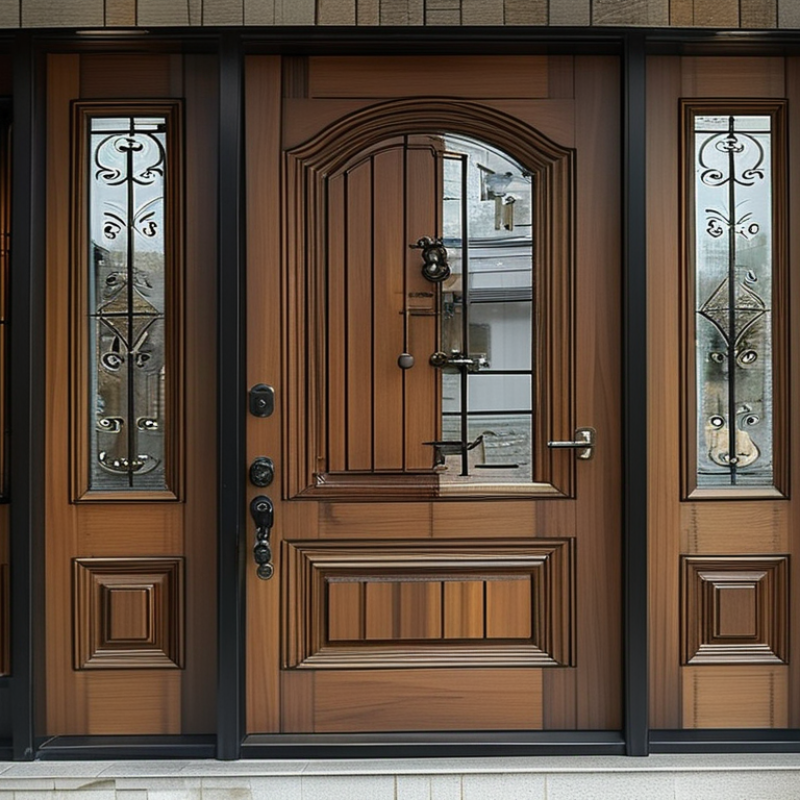
When selecting home entry doors in 2026, several critical factors demand your attention. The material is foundational. Wood offers warmth and charm but requires maintenance. Steel provides durability and security but may lack aesthetic appeal. Fiberglass can offer both styles and low upkeep, making it a popular choice.
Security features are paramount in today’s world. Look for doors with multi-point locking systems and reinforced frames. Consider the door's energy efficiency rating too. A well-insulated door can significantly impact your energy bills. Explore options like dual panes of glass to enhance performance.
Aesthetic appeal should not be overlooked. Think about the color and design that complements your home’s style. Entry doors can be a focal point, enhancing your curb appeal. Reflect on your local climate as well. A door suitable for a rainy area may not be ideal for a dry region. Consider all these elements to ensure your choice aligns with your needs and values.
Material Options for Home Entry Doors in 2026
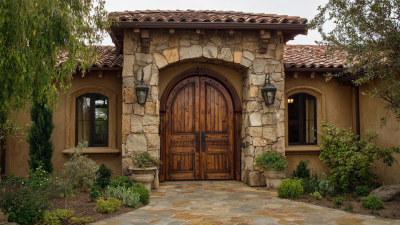
When selecting home entry doors in 2026, material choice significantly impacts security, aesthetics, and energy efficiency. Wooden doors convey elegance but require regular maintenance. A National Association of Home Builders report indicates that wood options dominate the market due to their timeless appeal and customizable designs. However, they are prone to warping and require sealing to stave off moisture damage.
Steel doors, on the other hand, provide enhanced security and durability. According to the American Architectural Manufacturers Association, steel doors have seen a rise in popularity, accounting for nearly 30% of entry door sales. They resist dents and are often insulated, improving energy efficiency. Nonetheless, potential rust issues must be considered, especially in humid climates.
Fiberglass doors present a balance between aesthetics and functionality. These doors can mimic the appearance of wood while remaining resistant to the elements. However, installation complexity could lead to additional costs. Homeowners must weigh these factors carefully. The right material will reflect both personal style and practical needs while ensuring long-term performance.
How to Choose the Best Home Entry Doors in 2026? - Material Options for Home Entry Doors in 2026
| Material |
Durability |
Energy Efficiency |
Maintenance |
Cost |
| Fiberglass |
High |
Excellent |
Low |
$$$ |
| Steel |
Very High |
Good |
Medium |
$$ |
| Wood |
Moderate |
Fair |
High |
$$$$ |
| Vinyl |
High |
Good |
Low |
$$ |
Design Styles for Modern Home Entry Doors
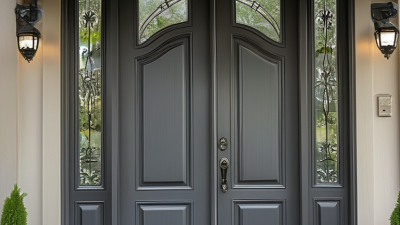
When selecting modern home entry doors, design styles play a crucial role. Minimalist designs have gained popularity in recent years. These doors feature clean lines and an uncluttered look, making them perfect for contemporary homes. A sleek, minimalist door in a neutral color can create a sophisticated entrance. However, this style may not suit all architectural designs, leading homeowners to reconsider their choices.
Another interesting trend is the use of mixed materials. Combining wood, glass, and metal can yield stunning results.
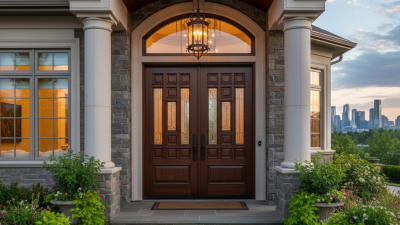
For example, a hardwood door with glass panels can bring warmth and light to the entrance. Yet, harmonious material pairing requires expertise to avoid a mismatched look. Careful consideration is needed to ensure durability and aesthetic appeal.
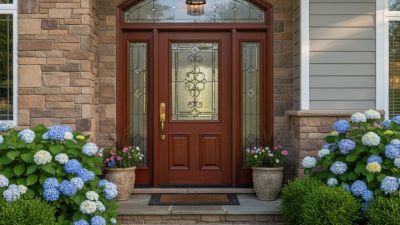
Bold colors are also making waves. Vibrant shades can set the tone for your home’s personality. A bright red or deep blue door can create a whimsical and inviting atmosphere. Nevertheless, bright colors may fade over time and need regular maintenance. Homeowners should reflect on the long-term implications of their color choices to maintain their entry’s charm.
Energy Efficiency and Security Features in Entry Doors
Choosing the right entry door in 2026 involves understanding energy efficiency and security features. In recent years, homes have become more energy-conscious. According to the U.S. Department of Energy, improperly sealed doors can lead to a 20% increase in energy costs. Selecting insulated entry doors can reduce thermal transfer. Look for doors with a high R-value. This measurement indicates how well a door resists heat flow, providing better insulation for your home.
Security remains a top concern for homeowners. A study from the National Association of Home Builders shows that 60% of break-ins occur through the front door. Reinforced doors with multi-point locking systems are becoming more common. These features deter intruders effectively. Additionally, consider smart locks that offer real-time monitoring. They enhance security without sacrificing convenience.
While energy efficiency and security are vital, aesthetics shouldn’t be overlooked. A quality door must balance functionality with design. Reflect on how your choice impacts your home’s appeal. Be mindful that not every door will suit all climates or architectural styles. Research local climate conditions to make an informed decision on materials and insulation.
Installation Tips for Your New Home Entry Door
Choosing the right installation method for your home entry door is crucial. Many homeowners overlook this step. It can lead to issues down the road. Start by measuring the doorframe accurately. This ensures a perfect fit. Also, check for any structural problems. A solid frame is essential for optimal support.
When positioning the door, use shims to align it properly. This can be tricky, and it's easy to skip. Make sure it's level before securing it. A level door not only opens and closes smoothly but reduces air leaks. Many people forget this simple step, leading to drafts and energy loss.
Sealing is another critical aspect. Apply weather stripping around the edges. This can enhance insulation significantly. Even small gaps can lead to major inefficiencies. Remember to test your work by opening and closing the door several times. Look for any sticking or rubbing. Addressing these details upfront can save a lot of hassle later.