Top Replacement Entry Doors Options for Your Home Renovation?
When considering a home renovation, choosing the right replacement entry doors is essential. These doors serve as the first impression for visitors. They also play a vital role in enhancing security and energy efficiency. With numerous options available, making the best choice can be overwhelming.
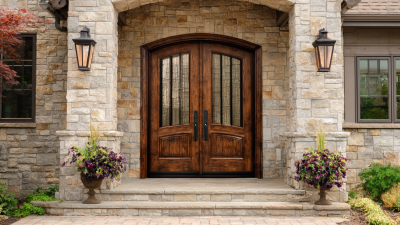
Quality replacement entry doors come in various styles, materials, and colors. Each option has its unique benefits and drawbacks. For instance, fiberglass doors offer durability but may not suit every home's aesthetic. Wooden doors can add warmth and character, yet they may require more maintenance and care.
Ultimately, investing time into selecting the right replacement entry doors can greatly impact your home's value. It’s crucial to consider personal style and functional needs. Even the best choices can have flaws. It’s okay to feel unsure. Reflecting on your choices ensures a more satisfying renovation experience.
Top Considerations for Choosing Replacement Entry Doors
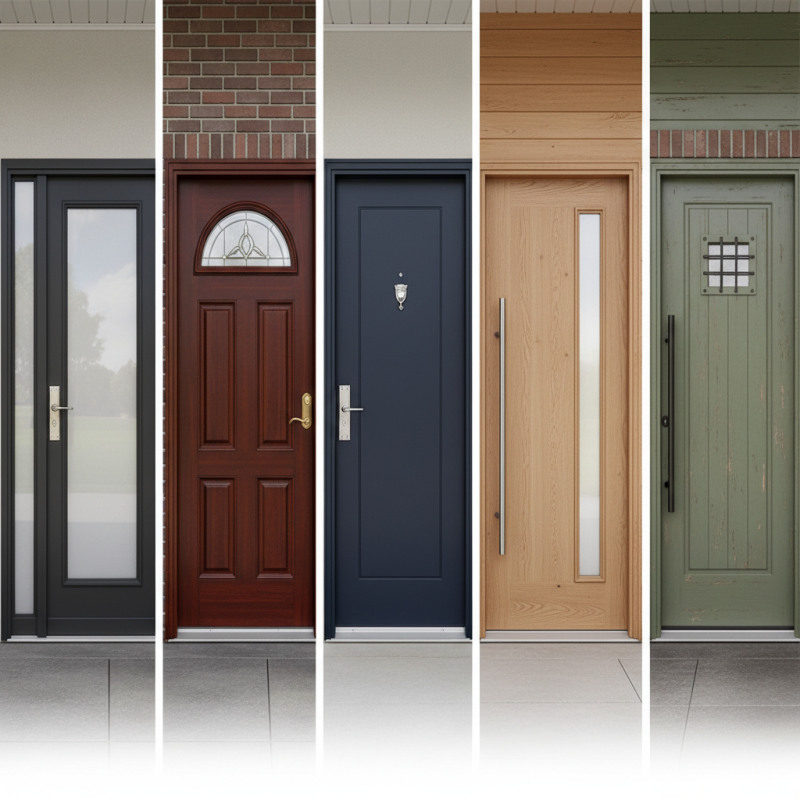
When choosing replacement entry doors, several factors come into play. The first is material. Common options include wood, fiberglass, and steel. Each has its pros and cons. Wood offers beauty but requires regular upkeep. Fiberglass is low-maintenance and energy-efficient but may lack the warmth of wood. Steel provides security but can rust without proper care.
Another consideration is energy efficiency. Look for doors with good insulation. Energy-efficient doors can lower heating and cooling costs. This aspect is often overlooked but crucial. Check the door's energy rating. A high rating can significantly impact your home comfort.
Don’t forget aesthetics. Your door should match your home’s style. A mismatched door can be jarring. Consider color, design, and texture. It’s also wise to think about hardware. Well-chosen handles and locks can enhance the overall look. Reflect on all these details. Making the right choice can be challenging but worth the effort.
Top Replacement Entry Doors Options for Your Home Renovation
| Material |
Energy Efficiency Rating |
Durability |
Maintenance |
Price Range |
| Fiberglass |
High |
Very Durable |
Low |
$1,200 - $3,000 |
| Steel |
High |
Very Durable |
Medium |
$500 - $1,500 |
| Wood |
Medium |
Moderately Durable |
High |
$1,000 - $3,500 |
| Vinyl |
Medium |
Moderately Durable |
Low |
$600 - $1,800 |
| Aluminum |
Medium |
Very Durable |
Medium |
$800 - $2,500 |
Popular Materials for Entry Doors: Pros and Cons
When renovating your home, choosing the right entry door is crucial. Different materials offer varying benefits and drawbacks.
Wood doors exude classic charm. They provide excellent insulation. However, they can be susceptible to warping and require regular maintenance. A study by the Door and Window Manufacturers Association noted that wood doors can last over 30 years with proper care.
Fiberglass doors have gained popularity in recent years. They are energy-efficient and resistant to dents, making them durable. Their surface can mimic wood, appealing to many homeowners. However, they may not have the same aesthetic depth as real wood. Additionally, if not maintained, the finish may fade, requiring a refresh every few years.
Steel doors are often regarded for their security features. With a strong exterior, they deter break-ins effectively. They require minimal maintenance and are often priced competitively. However, they can be prone to rust and dents. In areas with extreme weather, steel doors might not provide the same insulation as wood or fiberglass. Homeowners must weigh these factors carefully before deciding.
Design Styles for Entry Doors to Enhance Home Aesthetics
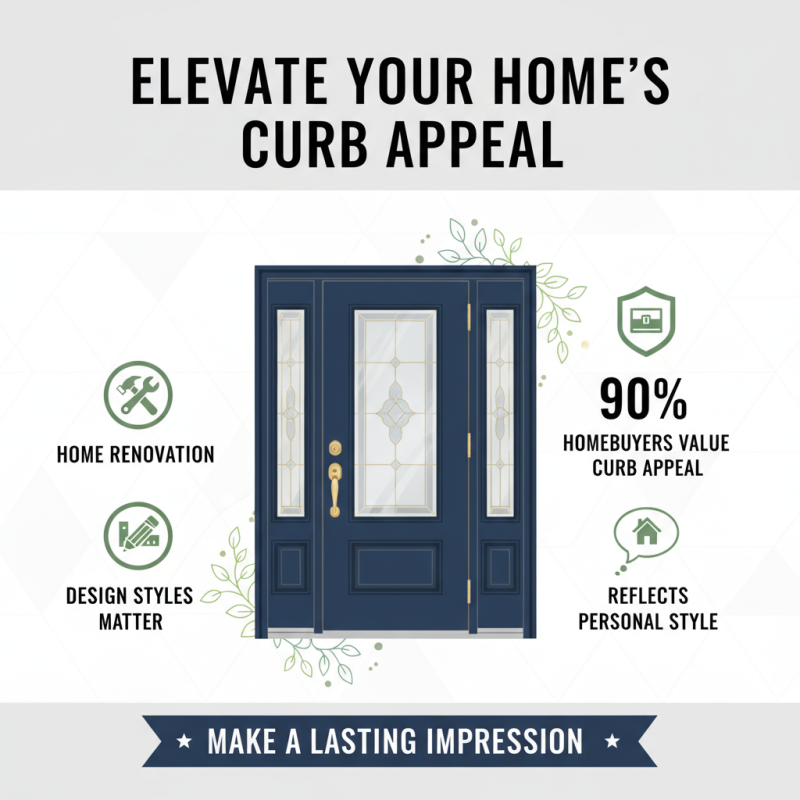
When choosing entry doors for home renovation, design styles play a crucial role. A well-chosen door can elevate the aesthetic appeal of your home. According to the National Association of Realtors, nearly 90% of homebuyers consider curb appeal important. Entry doors reflect personal style and make a lasting impression.
Consider crafting a cohesive look. Neutral shades complement various architectural styles. Classic wooden doors add warmth, while sleek fiberglass models offer a modern touch. A report by the National Door Association indicates that 70% of homeowners prioritize energy efficiency in their choices. Finding the right balance in style and functionality is key.
Tips: Pay attention to your neighborhood's vibe. It can prevent your home from standing out too much, for better or worse. Choose a door's finish that matches or enhances the rest of your home. Experiment with bold colors, but ensure they resonate with your home's overall design. Implement these strategies as part of your renovation to create a harmonious entryway that invites guests warmly.
Energy Efficiency Features in Replacement Entry Doors
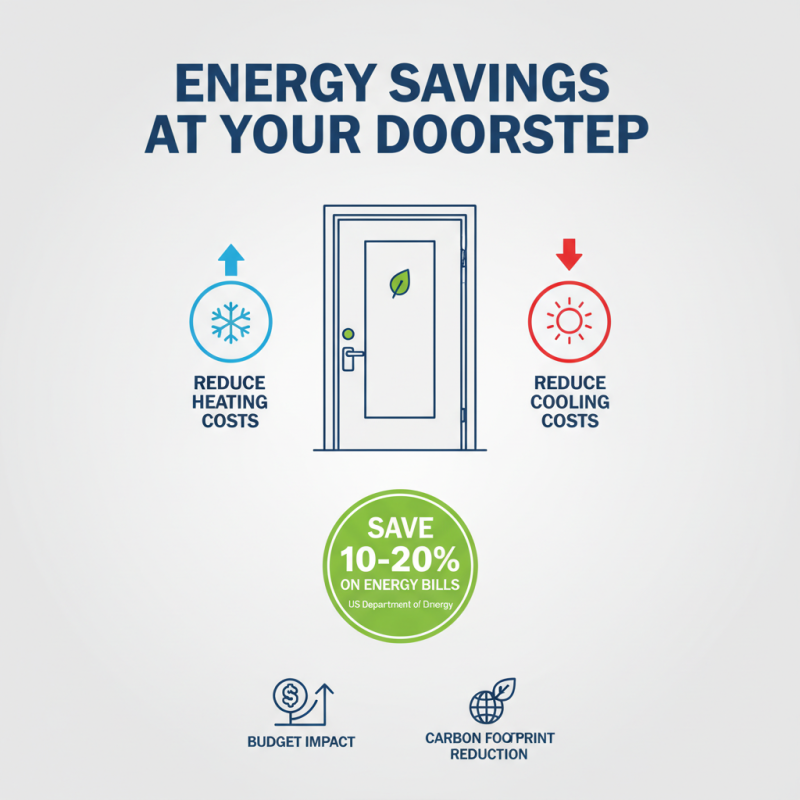
When considering replacement entry doors, energy efficiency is crucial. A well-insulated door can reduce heating and cooling costs significantly. According to the U.S. Department of Energy, installing an energy-efficient door can lower energy bills by 10-20%. This is an impressive saving over time, impacting your budget and carbon footprint positively.
Many modern doors feature advanced insulation materials. Look for doors with foam cores or fiberglass construction. These materials provide better thermal resistance compared to traditional wooden doors. Double or triple glazing on glass panels can reduce heat transfer further, enhancing energy efficiency.
Tips: Check the door's energy performance rating. Look for doors with an Energy Star label for optimal efficiency. Also, consider the frame and installation. A poorly installed door can negate energy savings. Always ensure a snug fit to maximize insulation properties.
Even with high-efficiency doors, factors like location and installation quality matter greatly. Not all homes benefit equally from the same door type. Measure performance in your specific climate for the best results. This approach will ensure you make a well-informed decision.
Cost Factors and Budgeting for Your Entry Door Renovation
When planning an entry door renovation, understanding cost factors is essential. According to recent industry reports, the average cost for a new entry door ranges between $1,000 to $5,000, depending on materials and features. Installation fees can add another $500 to $1,500. Budgeting wisely is crucial to avoid overspending.
Consider the materials you choose. Steel doors are often less expensive but may not provide the aesthetic appeal of wood. Wood doors can be costly, but they bring warmth and charm. Within your budget, prioritize energy efficiency and durability. These features often reduce long-term costs, such as heating bills.
Tip: Always secure multiple estimates from contractors. Prices can vary significantly. Watch out for hidden fees that may arise during installation.
Think about your long-term goals. A high-end door may sound appealing, but it might not yield a great return on investment. Real estate experts suggest focusing on mid-range options. They often lead to better resale value while keeping your budget intact.
Tip: Plan for future maintenance costs. Some materials require more upkeep than others. Make an informed decision to balance aesthetics and practicality.