


10 Tips for Buying Pioneer Doors Worldwide?
Buying pioneer doors for an international project requires more than comparing online prices. Door quality affects security, insulation, appearance, and daily comfort. A reliable purchase begins with clear measurements, verified product details, and a supplier willing to answer practical questions. This guide introduces ten useful tips for buyers comparing pioneer doors across different markets.
Start by checking the door’s material, core construction, finish, hardware, and intended use. A coastal home may need stronger corrosion resistance than an interior office. Cold climates demand careful attention to insulation and weather seals. Request technical drawings, installation instructions, sample finishes, and current warranty terms before placing an order. Small details matter.
Worldwide buying adds extra challenges. Confirm the supplier’s export experience, packaging method, delivery schedule, and responsibility for damaged goods. Ask whether local installers can work with the door system. Import duties, taxes, currency changes, and regional building requirements can alter the final cost. A low price can look persuasive. It may not remain low.
Check reviews carefully, but do not rely on anonymous comments alone. Look for project photographs, business records, responsive communication, and consistent documentation. Independent inspection may be worthwhile for large orders. Even experienced buyers can miss hinge direction, frame depth, or threshold height. I have learned that a simple measurement checklist often prevents expensive corrections later. These ten tips will help you evaluate pioneer doors with greater confidence, while leaving room for careful questions and sensible reconsideration.
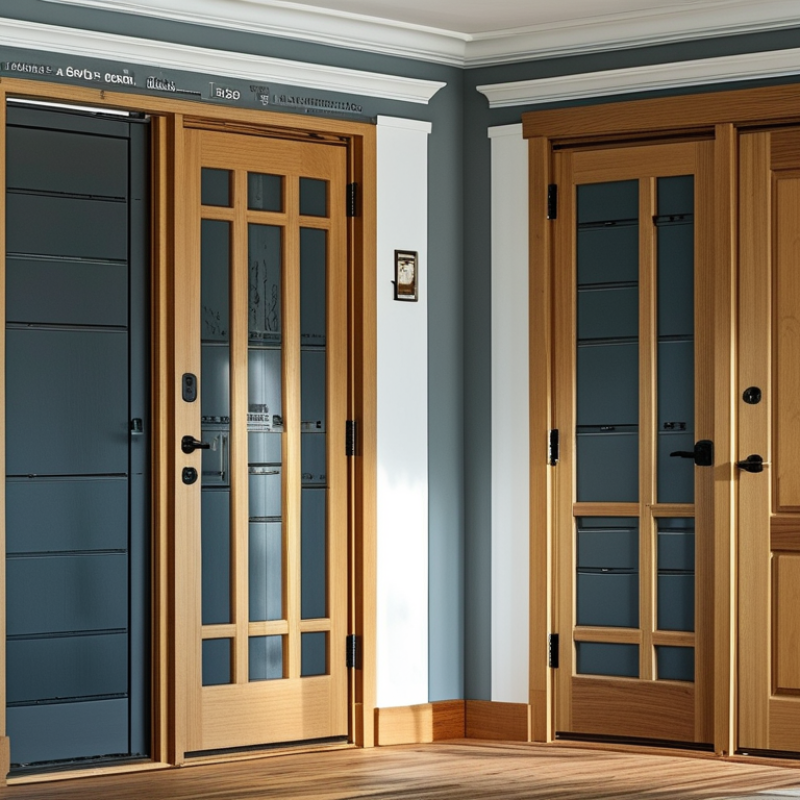
Define Your Door Requirements and Project Conditions
10 Tips for Buying Pioneer Doors Worldwide
Define Your Door Requirements and Project Conditions
Buying Pioneer doors worldwide starts with a precise project brief, not a catalog image. Record the opening width, height, wall thickness, swing direction, and required clear passage. Measure twice. Details matter. Note whether the door serves a home, warehouse, hotel, or high-traffic facility. Each setting demands different strength, security, insulation, and maintenance standards.
Project conditions can change the correct specification. Coastal buildings may need corrosion-resistant materials, while cold regions require effective seals and suitable thermal performance. Check local requirements for fire resistance, accessibility, wind pressure, and emergency exits before requesting quotations. Share drawings, photographs, and installation details with the supplier. Clear information reduces costly revisions.
International purchasing also involves packaging, customs paperwork, delivery access, and installation skills. Confirm the door’s packed dimensions and weight before arranging transport. Ask which components are included, such as hinges, frames, locks, seals, and fasteners. A missing frame can delay an entire site. It happens. Even experienced buyers can overlook floor levels, uneven walls, or unusual hardware preferences. Review the specification with the installer, then compare the final offer against actual site conditions. A lower price may reflect thinner materials, fewer accessories, or limited after-sales support. Keep a written record of approvals, tolerances, finish samples, and expected lead times.
10 Tips for Buying Pioneer Doors Worldwide? - Define Your Door Requirements and Project Conditions
| No. | Requirement / Project Condition | Recommended Data to Define | Typical Reference Range or Target | Verification Before Purchase |
|---|---|---|---|---|
| 1 | Door location and exposure | Interior, sheltered exterior, exposed exterior, coastal, high-altitude, or industrial environment. | Specify exposure to rain, ultraviolet radiation, salt spray, dust, chemicals, and temperature changes. | Provide site photographs, elevation drawings, climate data, and the planned installation elevation. |
| 2 | Finished door size | Leaf width, leaf height, thickness, frame depth, handing, and number of leaves. | Common single-leaf heights are approximately 2,000–2,400 mm; final dimensions must follow the approved opening schedule. | Measure the structural opening and finished floor level in at least three places for width and height. |
| 3 | Clear opening and accessibility | Required clear passage width, threshold height, opening force, and turning-space requirements. | A clear opening of at least 815 mm is commonly used for accessible routes; many projects specify 850–900 mm for easier circulation. | Check local accessibility regulations, door swing, hardware projection, threshold detail, and wheelchair approach space. |
| 4 | Weather resistance | Required air leakage, watertightness, wind-load resistance, drainage, seals, and threshold design. | Use a tested performance classification suitable for the local wind zone; exposed openings generally require higher water and wind resistance than sheltered openings. | Request test reports for air permeability, watertightness, and wind resistance using the standard required by the project location. |
| 5 | Thermal performance | Door-and-frame U-value, thermal breaks, glazing percentage, and condensation-control requirements. | For insulated exterior doors, a whole-door U-value around 1.0–2.0 W/m²·K is a practical design range; colder climates may require lower values. | Confirm whether the quoted value applies to the complete door assembly rather than the panel alone. |
| 6 | Fire and smoke control | Required fire-resistance period, smoke-control classification, glazing limits, closer type, and hardware. | Common specified fire-resistance periods include 30, 60, 90, and 120 minutes, subject to the building code and tested assembly. | Request a certificate covering the exact leaf, frame, seals, glazing, hinges, lock, closer, and installation configuration. |
| 7 | Security and operating frequency | Threat level, impact risk, lock type, hinge protection, access-control equipment, and daily cycle count. | Residential doors may experience roughly 10–30 cycles per day, while commercial entrances can exceed 100 cycles per day. | Select hardware rated for the expected cycle count and confirm compatibility with power, card, keypad, or mechanical access systems. |
| 8 | Acoustic requirements | Required weighted sound-reduction rating, leakage control, seals, threshold, and adjacent wall construction. | Interior privacy doors often target approximately 30–40 dB; higher ratings require a complete tested door-and-wall system. | Ask for laboratory test results and confirm that the rating includes the frame, perimeter seals, glazing, and threshold. |
| 9 | Material and finish durability | Core material, face material, corrosion resistance, coating system, color, gloss level, and cleaning chemicals. | Use corrosion-resistant hardware for humid or coastal sites and select finishes tested for the expected ultraviolet and chemical exposure. | Review material certificates, coating data, salt-spray or corrosion test results, maintenance instructions, and finish samples. |
| 10 | Shipping, installation, and compliance | Packing dimensions, delivery conditions, import documents, local standards, installation tolerances, and after-sales parts. | Allow installation tolerances only after confirming the frame design; keep doors dry, supported, and protected from distortion during storage. | Approve shop drawings, packing lists, compliance documents, installation manuals, spare-part availability, and warranty terms before ordering. |
Related Posts
-
How to Choose the Best Pioneer Doors for Your Home?
-
2026 Best Fiberglass Doors for Durability and Style Choices?
-
How to Choose the Best Garden Doors for Your Home and Landscape
-
2026 How to Choose the Best Vinyl Patio Doors for Your Home?
-
China Top Vinyl Patio Doors for Global Buyers to Consider?
-
10 Best House Doors to Enhance Your Home Aesthetic?