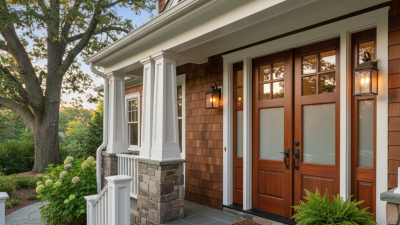
What Are the Most Popular Types of Porch Doors?
Porch doors do more than mark an entrance. They shape the light, airflow, privacy, and first impression of a home. The right style depends on how the porch is built and used. A sunny, screened-in porch may call for a different door than a narrow entry exposed to rain and wind. Small details matter: a swinging screen door can tap its frame in a breeze, while a sliding panel needs clear track space.
Architect Frank Lloyd Wright wrote, “The space within becomes the reality of the building.” That idea offers a useful lens for choosing porch doors: consider how the doorway connects indoor rooms with outdoor living. This guide explores popular options, including hinged, sliding, French, and screen doors. It also looks at materials, glazing, hardware, and practical upkeep. Each choice has trade-offs. Glass can brighten a dim porch, but it may need frequent cleaning. Wood brings warmth, though weather can test its finish.
There is no single best door for every home. Measure the opening carefully, notice where rain lands, and think about daily traffic before choosing a style. A beautiful door can still feel awkward if it blocks a chair or catches the wind. That deserves a second look. The sections ahead compare common designs and explain what to consider for comfort, durability, and curb appeal.
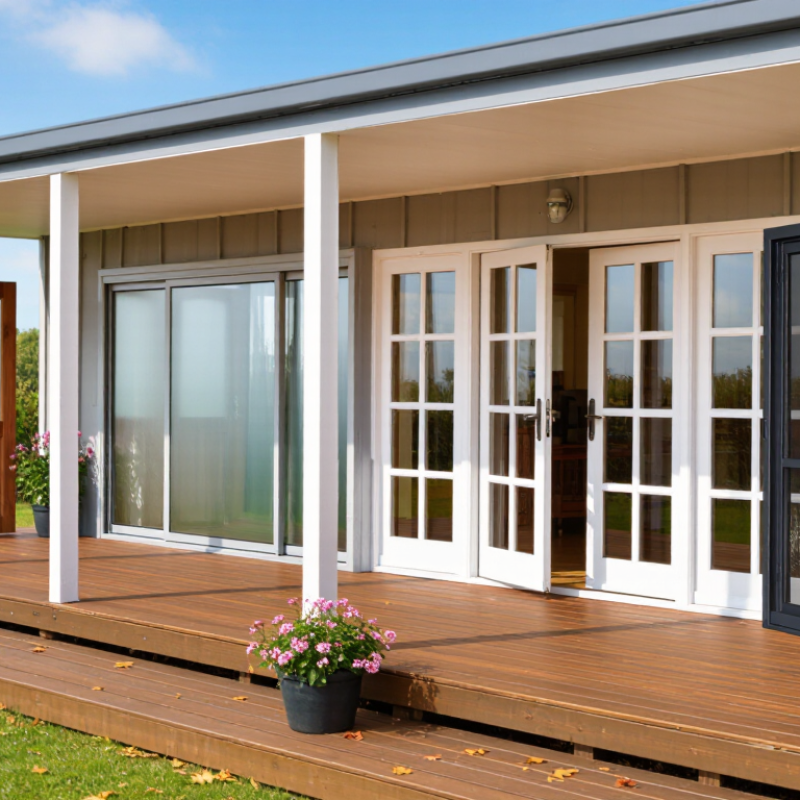
What Is a Porch Door and How Is It Used?
A porch door is the door that connects a porch with the house or the outdoors. Its exact role depends on the porch design. On an enclosed porch, it may separate the room from the garden. On an open porch, it usually serves as the home’s main entrance. The term can be a little fuzzy, especially in older homes where layouts have changed.
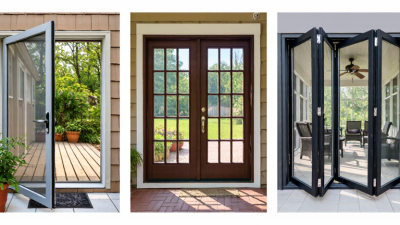
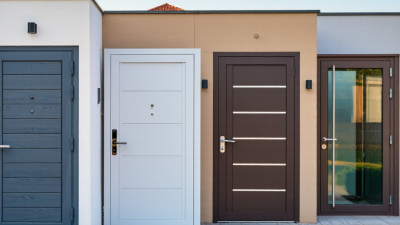
Porch doors may be hinged, sliding, or fitted with screens. A solid door helps separate indoor spaces and limit drafts. A screen door allows breezes through while keeping many insects out. Glass panels can brighten a shaded entry, though they may need more frequent cleaning. The right choice depends on exposure, privacy, and how people move through the space.
Tips: Check the doorway’s measurements before choosing a door. Notice whether rain reaches the threshold, and consider which way the door can swing without blocking steps or furniture. A screen can improve airflow, but it does not provide the same barrier as a solid entry door. Small details matter.
What Features Distinguish Hinged Porch Doors?
Hinged porch doors are attached to the frame with side-mounted hinges and swing open along a clear arc. That simple movement is their defining feature. A single door suits many entrances, while paired doors can create a wider opening for moving chairs or garden equipment. The swing may be inward or outward, depending on the layout, weather exposure, and available space.
Unlike sliding doors, hinged doors need room to open. Check that the door will not strike a railing, planter, or nearby furniture. That sounds minor. It isn’t. A gust can also catch an outward-swinging door, so sturdy hinges and a secure latch matter. Well-fitted weatherstripping around the frame and a sweep at the bottom help reduce drafts and rain entry, though no seal can compensate for poor installation.
Glazing, panel style, and frame material affect both appearance and upkeep. If the porch gets strong afternoon sun, consider how much glass you want and whether shading is available. A threshold should feel stable underfoot without creating a troublesome step. It is easy to focus on the door’s look and overlook its swing clearance; even careful planning can miss that detail. There is no universally best hinge direction, so assess the actual porch before choosing.
How Do Sliding Porch Doors Save Space?
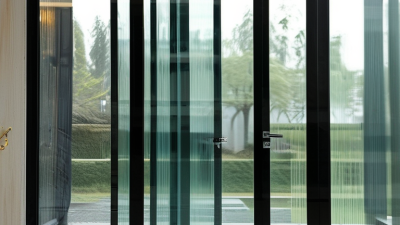
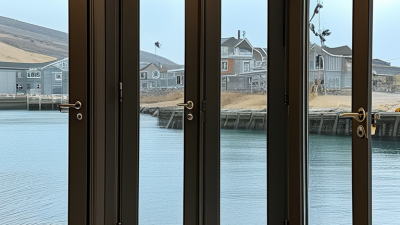
Porch doors come in several styles, including hinged, French, folding, and sliding designs. Sliding doors are especially useful when outdoor space is limited. Their panels glide along a track instead of swinging into the room. This leaves more space for a chair, plant stand, or clear walking path. A small porch feels less crowded when its doorway needs no swing clearance.
The space-saving benefit does have a trade-off. Many sliding designs open only part of the doorway at once, which may limit airflow or access. Track condition matters, too: grit and leaves can make panels harder to move. A properly sized, well-installed door should slide smoothly and close evenly, but performance depends on the opening and hardware. Measure carefully, and check that the threshold and seals suit your weather. It is easy to focus on saved floor space and overlook these details.
Tips: Keep the track clear and test the latch before choosing a layout. Compare the usable opening, not just the door’s overall width.
What Sets French and Double Porch Doors Apart?
What Are the Most Popular Types of Porch Doors?
What Sets French and Double Porch Doors Apart?
French porch doors are a style of paired doors, usually recognized by their glass panels and balanced appearance. They can bring daylight into an entryway and create a clear view of the porch. Many pairs have two moving leaves, though some designs keep one leaf fixed. Check the hardware before assuming both sides open.
Double porch doors simply have two door leaves. They may be glazed, partly glazed, or mostly solid, so the term describes their layout more than their appearance. In practice, French doors are often double doors, but not every pair of double doors has a French design. The terms overlap. That can be confusing.
The practical difference shows up in daily use. Measure the opening and the space needed for each door to swing; a wide pair can feel awkward near steps, furniture, or a narrow path. Glass also makes the entry brighter, but privacy and cleaning deserve thought. Look closely at the seals and threshold, since wind-driven rain can find small gaps. Small details matter. I’d avoid choosing by appearance alone; even a beautiful pair can be frustrating if the opening is cramped.
Popular Porch Door Types: French vs. Double Doors
Typical door-leaf counts by configuration. French doors are generally a glazed, hinged pair; “double doors” is a broader term for any two-leaf doorway.
Counts describe common configurations, not sales or popularity rankings. Sliding doors commonly have two panels with one operable panel; paired French and double doors commonly have two operable leaves.
When Are Screen and Storm Porch Doors Preferred?
Screen porch doors are preferred when fresh air matters more than insulation. On a warm evening, a mesh panel can let a breeze move through while keeping many flying insects outside. They also preserve the view of a garden or yard, which can make a small porch feel more open. Choose mesh suited to how the doorway is used; pets, children, and frequent traffic can put extra strain on it. A loose fit may leave gaps where insects can enter. That detail is easy to overlook.
Storm porch doors are often preferred in colder, windy, or rainy weather. Their solid or glazed panels can add a buffer against drafts and blowing rain, while a glass panel still lets daylight reach the entry. Some homeowners switch between a screen panel and a glass panel as seasons change. Check that the added door has room to swing without hitting steps, railings, or nearby furniture. It should not be treated as a substitute for a well-sealed main door. In practice, the best choice is not always obvious: a storm door can feel stuffy on a mild day, while a screen door offers little protection from cold air. The local weather and daily habits matter most.