How to Choose the Best Aluminum Storm Doors for Your Home

Choosing an exterior door can feel simple until weather, security, and daily use enter the picture. Aluminum storm doors add a protective layer in front of your main entrance. They can help reduce drafts, shield the primary door from rain, and let fresh air circulate when the screen is in place. The right choice depends on more than appearance. Your climate, doorway measurements, and household routines all matter.

Start with the frame, glass, and screen options. A sturdy aluminum frame resists rust, but its finish and construction still affect long-term performance. Full-view glass brings daylight into a dim entryway. Interchangeable panels offer flexibility across changing seasons. Ventilating screens can be useful on a breezy afternoon, though they may need regular cleaning. Small details count. Check the handle location, closer mechanism, and whether the door swings the right way for your porch. Measure the opening carefully; even a modest error can complicate installation.

This guide explains how to compare aluminum storm doors by durability, energy performance, ventilation, and price. It also considers installation and maintenance, since a well-made door can disappoint if it does not fit or close properly. Product specifications are useful, but they cannot predict every home’s conditions. A shaded entry may face different wear than a sun-baked one. There is no perfect choice for every doorway. Think about what you value most, then compare options against those needs rather than choosing by style alone. One overlooked detail can matter. A careful decision can make everyday entry more comfortable and help protect the door behind it.
How to Choose the Best Aluminum Storm Doors for Your Home

Understanding Aluminum Storm Doors and Their Purpose

Understanding Aluminum Storm Doors and Their Purpose

An aluminum storm door sits outside your main entry door, adding a practical layer between the home and changing weather. Its frame holds glass panels, screen panels, or a combination that can be adjusted by season. On a bright afternoon, a screened opening lets air move through the entry while helping keep insects outside. In colder or windy weather, a glass panel can reduce drafts and shield the primary door from rain and snow. Small details matter.

Storm doors can also admit daylight without leaving the main door open. That can make a dim hallway feel more welcoming, though glare or heat buildup may be an issue in direct sun. Aluminum is commonly chosen for its relatively light weight and resistance to rust, but the finish and hardware still need care. Check hinges, closers, and seals occasionally; a loose closer can make the door slam, while worn weatherstripping may let air pass.

A storm door is not a replacement for a sound, properly fitted entry door. Its performance depends on the opening, installation, and how the panels are used. Before choosing one, consider the direction the main door swings, the space available on the porch, and whether you want more ventilation or weather protection. There is a trade-off. More glass can brighten the entry, but it may need regular cleaning and can feel less private. A careful fit matters more than a feature list.

Assessing Your Climate, Entryway, and Household Needs

How to Choose the Best Aluminum Storm Doors for Your Home

Assessing Your Climate, Entryway, and Household Needs

Start with the weather your entryway actually faces. A windward porch exposed to driving rain needs a tight frame, durable seals, and secure hardware. In coastal areas, salt can wear down finishes, so ask about coating performance and rinse the door periodically. For colder regions, check how the frame and glass manage drafts; a metal frame alone does not guarantee good insulation. The U.S. Department of Energy recommends considering climate and installation quality when improving home efficiency. Small gaps matter.

Measure the opening at the top, middle, and bottom. Older frames are often slightly out of square, and a level may reveal more than a quick glance. Decide whether a screen, glass panel, or seasonal insert fits your routine. A busy household may value a closer that prevents slamming, while a home with pets may need a sturdy screen. Keep airflow in mind, too. The U.S. Energy Information Administration’s 2020 Residential Energy Consumption Survey found that about 88% of U.S. households used air conditioning. If you rely on an open main door for ventilation, choose a storm door that lets air pass without compromising everyday security.

Consider your household’s habits, not just the product label. Will children use the entry? Does the door face afternoon sun? Is the threshold frequently wet? I would not assume a heavier door is automatically better; hinges and frame support must suit its weight. Check clearances, handle placement, and the installer’s plan before ordering. A beautiful door that catches on the mat gets old quickly.

How to Choose the Best Aluminum Storm Door for Your Home

Compare common entryway and household priorities to identify which features may matter most. Scores are illustrative planning ratings from 1 (lower priority) to 5 (higher priority), not measured product performance.

In cold, windy, or rainy climates, prioritize weather protection and a secure fit. For warmer seasons or homes that need airflow, look for a full-view or ventilating door with a screen. Consider glass visibility and ease of cleaning based on your entryway and household routine.

Comparing Door Styles, Screens, Glass, and Frame Features

How to Choose the Best Aluminum Storm Doors for Your Home

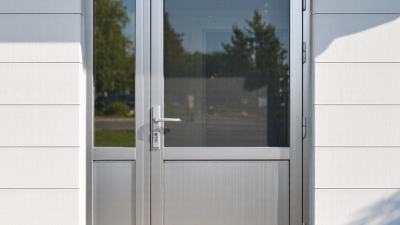
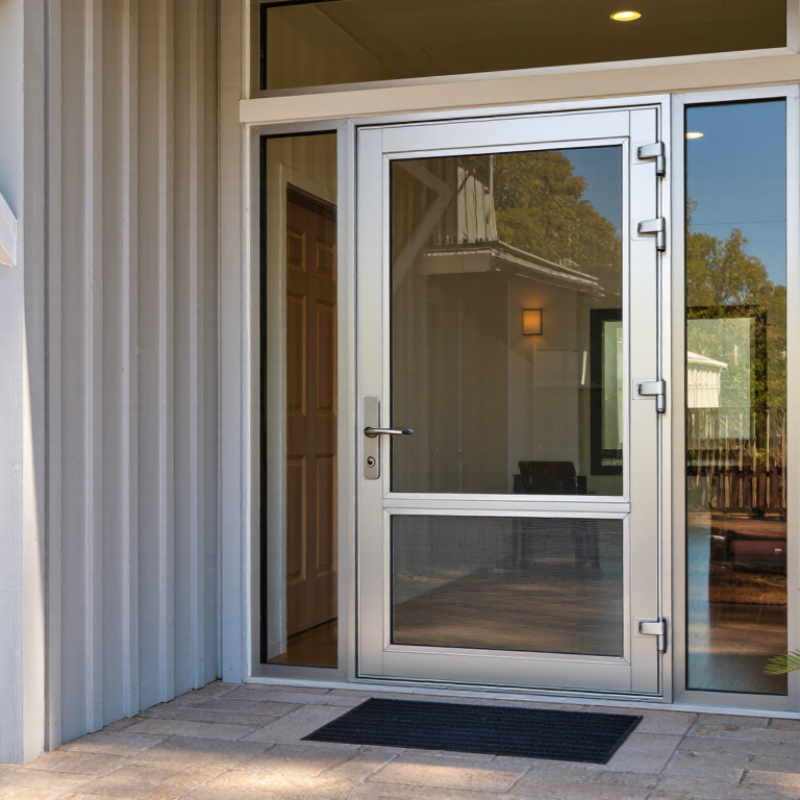
A storm door should match how you use your entry, not just its appearance. Full-view styles let daylight reach a dim hallway and showcase the main door. Mid-view designs offer a sturdier lower panel, useful near busy steps or homes with pets. Ventilating styles can open at the top or bottom, letting you adjust airflow without leaving the entry fully exposed. Measure the opening at several points; older frames are not always square. A small mismatch can complicate installation.

Tips: Match the screen and glass to the season. Interchangeable panels are practical if you switch between ventilation and weather protection. Retractable screens stay out of sight when unused, but their tracks need occasional cleaning. Full glass offers a clear view, though it may need frequent wiping. Look for secure latches and smooth operation, then test the handle before buying.

Frame details matter, too. Aluminum resists rust, but finish quality and drainage design still affect long-term performance. Check for tight corner joints, weatherstripping that seals evenly, and a threshold that sits flush without blocking the main door. If the entry gets strong afternoon sun, ask how the glass handles heat buildup. I have found that a door can look solid in a showroom but feel less convincing once installed. Not every feature is worth the added cost. Choose the ones that solve a real problem at your entrance.

How to Choose the Best Aluminum Storm Doors for Your Home — Comparing Door Styles, Screens, Glass, and Frame Features
Feature Full-View Mid-View High-View What to Consider
Glass coverage Large glass panel covers most of the door. Glass occupies the upper or middle section, with a solid lower panel. Glass is concentrated near the top, leaving a larger solid lower section. More glass brings in more daylight; larger solid sections can better hide scuffs and everyday wear.
Typical screen arrangement Often uses a removable or interchangeable glass and screen panel. May use interchangeable panels or a fixed screen, depending on the design. Commonly has a fixed screen or a screen panel paired with a smaller glass area. Check how panels are changed and stored, and whether the screen can be removed for cleaning.
Ventilation Good when the glass panel is replaced with a screen. Provides airflow through the screened opening while retaining a more solid lower section. Airflow depends on the size and position of the screened area. For frequent ventilation, compare the usable screen area and how easily the door can be switched between modes.
Light and visibility Offers the clearest view and admits the most natural light. Balances daylight and visibility with a protective lower panel. Allows light near the top while limiting the view through the lower half. Consider the entryway’s daylight needs, privacy, and the appearance of the main door behind it.
Glass options May be available with clear, tinted, or other specified glazing. Options depend on the door configuration. Options depend on the door configuration. Confirm whether the glass is single- or insulated glazing, and check safety-glazing requirements where applicable.
Frame construction Aluminum frame supports a large glazed area. Aluminum frame combines glazed and solid-panel sections. Aluminum frame supports a smaller upper glazed area and a larger lower panel. Look for a rigid frame, secure corners, durable finish, and a threshold and sweep suited to the opening.
Maintenance Large glass surfaces may need frequent cleaning; removable panels can simplify seasonal changes. Solid lower panels can be easier to keep looking tidy in busy entryways. Less lower glass can reduce visible fingerprints and smudges. Check panel-removal instructions, screen repair options, and how the finish should be cleaned.
Best suited to Homes that prioritize daylight, an open view, and seasonal screen use. Entryways that need a balance of visibility and lower-panel protection. Busy entrances where a larger solid lower section is preferred. Choose based on your climate, entryway traffic, ventilation habits, and desired appearance.
Before ordering Measure the door opening, confirm hinge side and swing, check the main door and trim clearances, and verify that the selected model fits the opening and local installation requirements.

Measuring the Doorway and Reviewing Installation Requirements

A reliable fit starts with careful measurements, not an estimate based on the old door. Measure the opening width at the top, middle, and bottom, then record the narrowest point. Measure height on both sides and in the center. Openings can be slightly out of square. That matters.

Use a rigid tape measure and write each number down. Check the depth of the mounting surface, too, including any trim or brickmold that could interfere with the frame. Look for a raised threshold, uneven siding, or a nearby light fixture. Even a small obstruction can affect how the storm door sits or swings. I have found that measuring twice is less annoying than discovering a gap after installation.

Before buying, compare your measurements with the door’s sizing chart and installation guide. Requirements vary by design. Confirm which way the door will swing, whether the handle will clear the entry-door handle, and what tools or fasteners the installation calls for. Check that the frame can attach securely to the available surface. If the opening is unusually narrow, sloped, or damaged, ask a qualified installer to assess it. A neat fit is not guaranteed by careful measuring alone. The surface itself may need attention.

Evaluating Durability, Energy Efficiency, Security, and Cost

How to Choose the Best Aluminum Storm Doors for Your Home

A good aluminum storm door should handle daily use without rattling or bending. Check the frame joints, corner connections, and finish, especially if the entry gets heavy rain or afternoon sun. Thicker frames can feel sturdier, but construction matters as much as weight. A tight-fitting door may also reduce drafts and help your main door retain heat. Still, don’t expect a storm door to fix poor insulation around the entry.

Energy efficiency depends on fit and glazing. Look for weatherstripping that compresses evenly, and check whether the glass panel can be swapped for a screen in warm weather. For security, inspect the lock, hinges, and frame anchoring; a strong lock offers limited benefit if the surrounding frame flexes. Compare the full installed cost, including hardware and any adjustments. A cheaper door can become less appealing if it needs frequent repairs. Measuring can be surprisingly fussy.

Tips: Measure the opening at several points, since older frames may be out of square. Ask how replacement parts are handled, and test the latch before accepting installation. If possible, open and close the display model. Feel the difference.