How to Choose the Best Windows and Front Doors for Your Home?
When selecting windows and front doors for your home, understanding their importance is essential. According to a recent report by the National Association of Realtors, over 70% of buyers prioritize curb appeal. This highlights the significance of well-chosen windows and front doors. These elements not only affect aesthetics but also energy efficiency. The U.S. Department of Energy estimates that up to 30% of home heating and cooling energy use is due to poor window and door performance.
Many homeowners overlook factors such as materials, styles, and security features. Vinyl, wood, or fiberglass options each offer unique benefits. For example, vinyl windows are low-maintenance but may lack the aesthetic appeal of wood. On the other hand, wood enhances beauty but requires more upkeep.
Quality matters too. A report by the American Institute of Architects emphasizes that high-performance windows can lower energy costs by 25-50%. Choosing the right windows and front doors can transform a home, making it secure, efficient, and visually appealing. Reflecting on how these choices impact everyday life is crucial.
Factors to Consider When Choosing Windows for Your Home
When selecting windows for your home, various factors come into play. Energy efficiency is paramount. According to the U.S. Department of Energy, high-performance windows can reduce energy costs by 7-15%. Look for windows with a low U-factor, which measures resistance to heat flow. A lower U-factor indicates better insulation, ultimately saving you on heating and cooling bills.
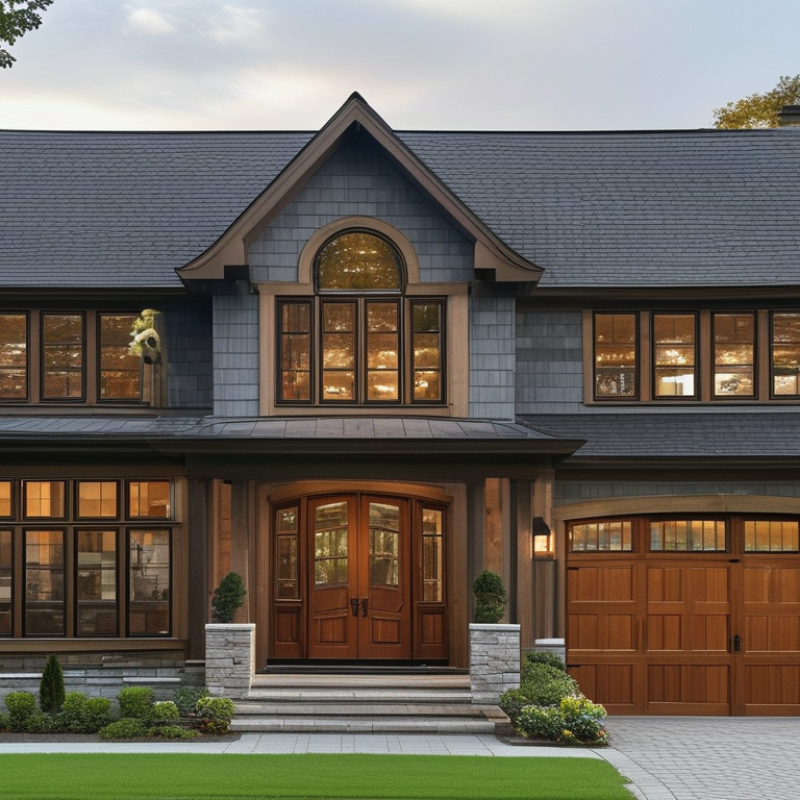
Aesthetic appeal is also significant. Windows should complement the architectural style of your home. Choose colors and materials that enhance curb appeal. Research shows that homes with attractive windows can increase property value by up to 10%. Consider the size and placement, as larger windows can make spaces feel brighter and more spacious.
Tips: Always check warranty details. A good warranty can provide peace of mind. Consider your local climate when choosing materials. For example, wooden frames may not suit humid environments. Lastly, ensure the installation is performed by professionals to avoid leaks and drafts. Regular maintenance is essential. Cleaning and inspecting windows can prolong their lifespan and efficiency.
Understanding Different Types of Windows and Their Benefits
When selecting windows for your home, it's crucial to understand the different types available. Each window style offers unique benefits tailored to your needs. For instance, double-hung windows provide excellent ventilation and easy cleaning. They can help maintain indoor air quality, which is particularly important in energy-efficient homes. Reports suggest that homes with energy-efficient windows can save up to 15% on heating and cooling costs annually.
Casement windows are another option, swinging outward for full ventilation. They seal tightly when closed, enhancing energy efficiency and reducing energy bills. Studies show that homes with casement windows can reduce heat loss by nearly 30%. On the aesthetic side, bay and bow windows provide expansive views and add character to a home's design. However, their installation can be more complex and costly, requiring careful consideration of structural integrity.
In contrast, sliding windows are easier to operate and can be a practical choice for smaller spaces. Yet, they may require more frequent maintenance to ensure smooth operation. While selecting windows, think about your geographic climate. Windows suited for colder regions often feature thicker glass and better insulation. Understanding these differences is vital for making an informed choice that enhances your home's comfort and efficiency.
How to Choose the Best Windows and Front Doors for Your Home? - Understanding Different Types of Windows and Their Benefits
| Window Type |
Materials |
Benefits |
Estimated Cost |
| Double-Hung Windows |
Vinyl, Wood, Aluminum |
Easy to clean, good ventilation |
$300 - $800 |
| Casement Windows |
Wood, Vinyl, Fiberglass |
Great energy efficiency, unobstructed views |
$250 - $700 |
| Sliding Windows |
Vinyl, Wood, Aluminum |
Easy operation, excellent for wide openings |
$300 - $900 |
| Awning Windows |
Vinyl, Wood, Aluminum |
Ventilate during rain, energy-efficient |
$250 - $800 |
Key Features to Look for in Front Doors
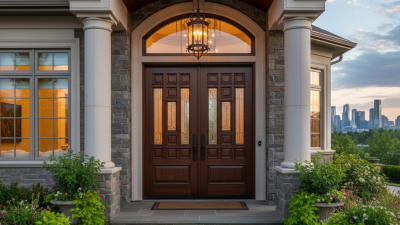
Choosing the right front door is crucial for your home's security and curb appeal. When selecting doors, prioritize materials. Solid wood and fiberglass offer durability and aesthetic appeal. Steel doors provide excellent security but can be susceptible to rust. Consider how the door will hold up against weather elements.
Energy efficiency is another key feature. Look for doors with good insulation. A well-insulated door can reduce heating and cooling costs. Double-glazed glass panels are a bonus, as they tend to insulate better. Pay attention to the door's weather stripping. It should be tightly sealed to prevent drafts.
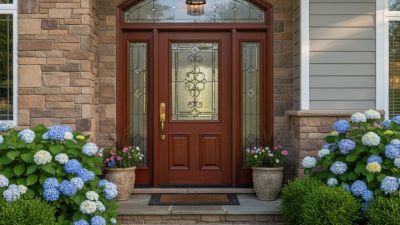
Think about style and color as well. A door sets the tone for your home. A classic design can enhance traditional homes, while sleek lines suit modern styles. Don't forget about hardware. Quality locks and handles ensure security. In the end, each detail impacts the door's functionality and appearance. Reflect on what features truly matter to you.
Materials and Styles of Front Doors That Enhance Curb Appeal
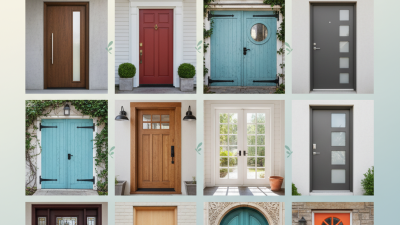
Choosing the right front door significantly impacts your home's curb appeal. Materials and styles play a crucial role in creating the desired look. Research from the National Association of Realtors indicates that nearly 74% of homeowners prioritize the entrance appearance when selling their homes. This shows just how important first impressions matter.
Wood and fiberglass are popular materials for doors. Wooden doors offer warmth and traditional charm but require maintenance. Fiberglass doors provide durability and energy efficiency without compromising aesthetic appeal. They resist weather and pests, making them a reliable choice. A study by Remodeling Magazine noted that replacing an old door with a new fiberglass model could yield a return on investment of about 70%.
The style you choose should complement your home's architecture. Craftsman-style doors add character to bungalows, while sleek modern designs suit contemporary homes. Color also matters; bold hues can make a statement, while neutrals offer timeless elegance. However, it's essential to balance style with functionality and maintenance requirements. Often, homeowners overlook these aspects in their excitement to enhance their home's exterior. A thoughtful approach can lead to lasting satisfaction.
Popular Front Door Materials and Their Impact on Curb Appeal
Energy Efficiency Ratings for Windows and Doors: What You Need to Know
When selecting windows and front doors, energy efficiency ratings play a crucial role. The National Fenestration Rating Council (NFRC) and Energy Star are authoritative resources that provide reliable data. Understanding these ratings helps homeowners make informed decisions. The most critical factors include U-factor, Solar Heat Gain Coefficient (SHGC), and Visible Transmittance (VT).
The U-factor measures how well a window insulates. A lower U-factor signifies better insulation, which can reduce heating costs by up to 15%. SHGC indicates how much solar heat enters your home. A lower SHGC is advisable in warmer climates to minimize cooling needs. In contrast, a higher VT allows more natural light, enhancing your indoor environment.
According to the U.S. Department of Energy, replacing single-pane windows with Energy Star-rated ones can save an average of $126 to $465 a year on energy bills. However, not all homes have the same needs. Factors like climate, local regulations, and personal preferences can complicate choices. It’s essential for homeowners to reflect on their situation thoroughly before making decisions; sometimes, achieving balance in energy efficiency and aesthetics can be challenging.