How to Choose the Best Vinyl Windows and Doors for Your Home?
Choosing the right vinyl windows and doors can enhance your home’s beauty and efficiency. Vinyl products are growing in popularity. According to the American Architectural Manufacturers Association, vinyl windows account for 50% of the residential window market. This reflects their durability and energy efficiency.
When selecting vinyl windows and doors, consider energy ratings and style options. The U.S. Department of Energy states that replacing old windows can save homeowners an average of $465 annually on energy bills. However, not all vinyl products perform equally. Some may not meet your local climate needs.
Many homeowners overlook key details. For instance, the color and texture can impact maintenance and aesthetics. It is essential to balance cost with long-term benefits. While vinyl may seem more affordable, cheap options can lead to higher costs later. Spending time on research can prevent costly mistakes in the future.
Understanding the Benefits of Vinyl Windows and Doors for Homes
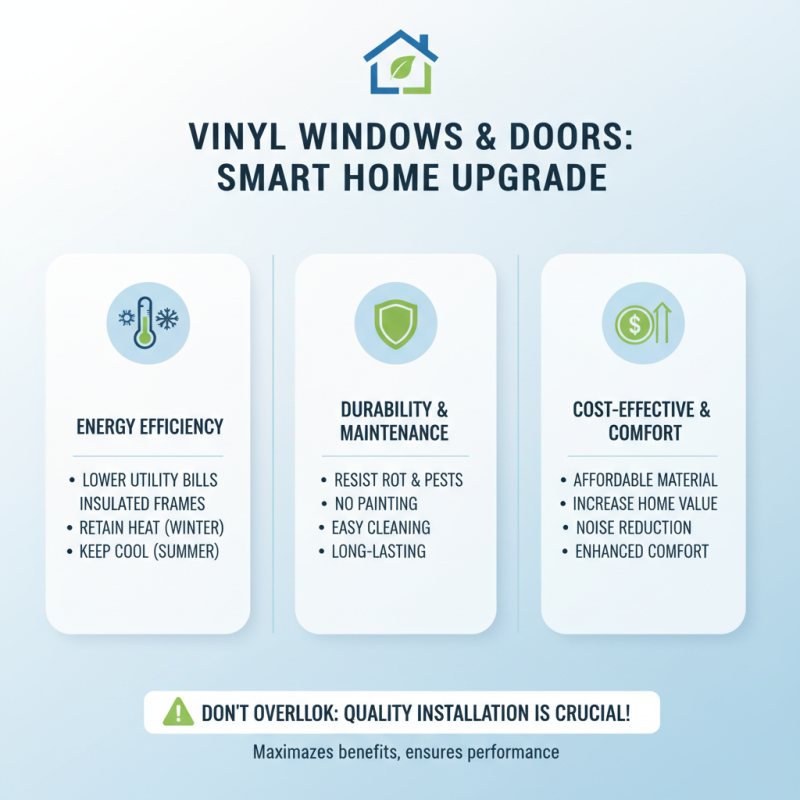
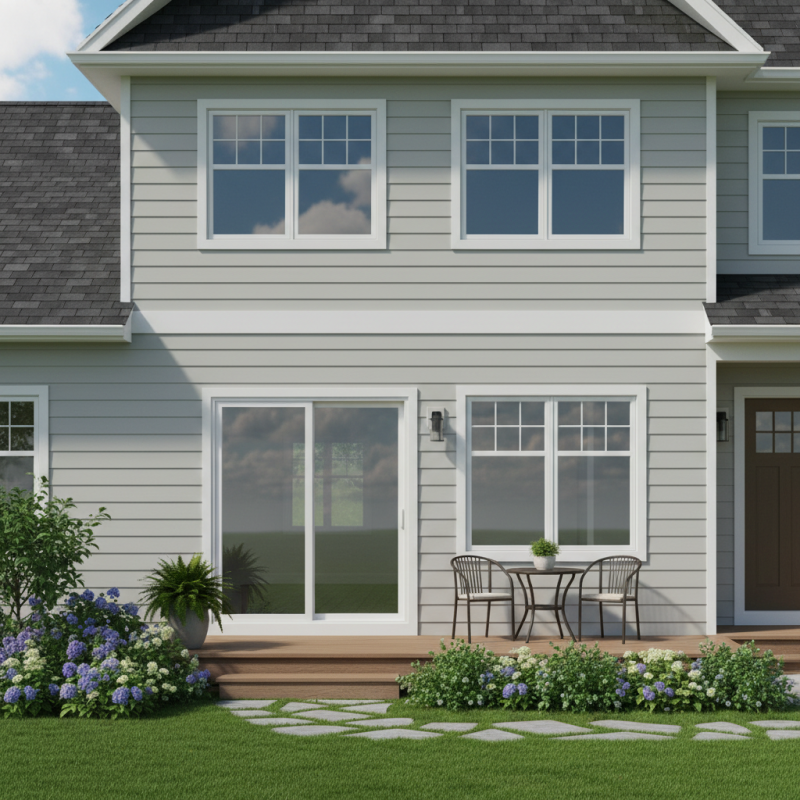
Vinyl windows and doors offer numerous advantages for homeowners. They are known for their excellent energy efficiency, which helps reduce utility bills. Insulated vinyl profiles can retain heat in winter and keep cool air inside during summer. Homeowners often appreciate these benefits, but some might overlook the impact of installation quality. Poor installation can negate even the best features.
Durability is another key benefit. Vinyl is resistant to fading, cracking, and rotting. This material can withstand harsh weather conditions. However, not all vinyl products are created equal. Some might require maintenance sooner than expected. It's wise to research the longevity of materials before deciding.
Aesthetics matter too. Vinyl windows and doors come in various styles and colors. They can complement any home design. Yet, some homeowners find the choices overwhelming. Striking a balance between style and functionality can be challenging. Considering personal taste while focusing on durability is essential.
Key Factors to Consider When Choosing Vinyl Windows and Doors
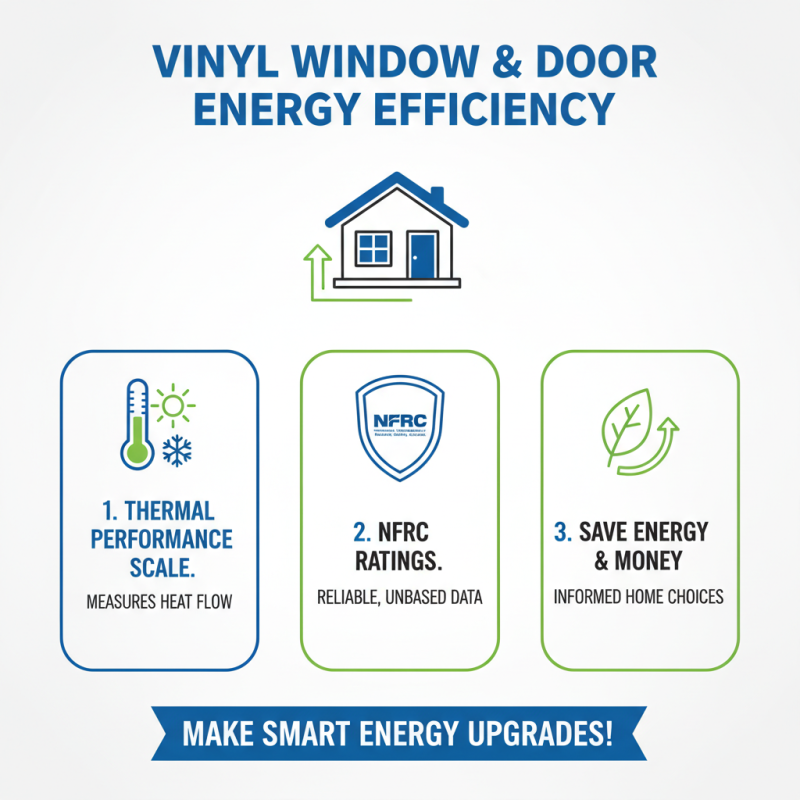
Choosing vinyl windows and doors for your home can be overwhelming. It’s essential to begin with understanding energy efficiency ratings. Look for windows with low U-factors and high R-values. This ensures better insulation, which can reduce heating and cooling costs. Remember, though, that better ratings often come with a higher price tag.
Another crucial factor is style and design. Consider how the windows and doors will complement your home's aesthetics. Different styles can greatly affect curb appeal. It’s wise to balance between aesthetics and functionality. Sometimes, the most stylish designs do not offer the best performance. Always evaluate your long-term needs versus immediate desires; what looks good now may not serve you well in the future.
Installation is also a key point to reflect on. Poor installation can lead to and condensation issues. Even the best windows won’t perform well if installed incorrectly. Think about hiring professionals or researching thorough DIY methods. Make sure to check their past work and reviews, ensuring they have the experience needed. Balancing quality, aesthetics, and installation can help you make a more informed choice.
Comparing Vinyl Window Styles: Casement, Double-Hung, and More
Choosing the right vinyl windows can elevate your home's style and energy efficiency. Among the popular styles, casement and double-hung windows are frequently compared. The Vinyl Institute reports that casement windows can offer superior ventilation. They open outward, allowing for excellent airflow. This can be particularly beneficial in warmer climates.
Double-hung windows, on the other hand, are versatile and classic. They consist of two sashes that slide vertically. This style allows for easy cleaning and can fit into various architectural designs. According to the Energy Information Administration, well-installed double-hung windows can significantly reduce energy consumption. However, improper installation may lead to drafts.
**Tips:** When choosing between styles, consider your home's architecture. Ensure the windows you select complement the overall design. Additionally, think about maintenance. Casement windows might require more attention as hinges need regular checking, while double-hung windows provide easier accessibility for cleaning.
Choosing the best vinyl window style isn't always straightforward. Consider how each type functions in different weather conditions. Some users report frustrations with window operation over time. It's crucial to weigh these factors based on your regional climate.
How to Choose the Best Vinyl Windows and Doors for Your Home? - Comparing Vinyl Window Styles: Casement, Double-Hung, and More
| Window Style |
Ventilation |
Energy Efficiency |
Ease of Cleaning |
Cost Range |
| Casement |
Excellent |
High |
Easy |
$300 - $700 |
| Double-Hung |
Good |
Moderate |
Moderate |
$250 - $600 |
| Sliding |
Good |
Moderate |
Difficult |
$200 - $500 |
| Picture |
None |
High |
Easy |
$300 - $800 |
| Awning |
Excellent |
High |
Easy |
$350 - $750 |
Installation and Maintenance Tips for Vinyl Windows and Doors
Installing vinyl windows and doors can significantly enhance your home’s energy efficiency. According to the U.S. Department of Energy, well-installed windows can reduce energy bills by 12%-24%. Proper installation is crucial. Gaps or misalignments can lead to drafts or moisture buildup, compromising performance. This is an area often overlooked, yet vital to achieving optimal efficiency.
Maintenance is equally important. Vinyl is low-maintenance, yet it still needs attention. Cleaning frames with mild soap and water helps prevent dirt buildup. Excess debris can trap moisture, causing long-term issues. Regularly inspect seals for wear. Replacement is necessary if they show signs of decay. A simple check every six months can avoid costly repairs down the line.
Some homeowners neglect the importance of proper ventilation around windows. This can lead to condensation and mold growth. The ideal balance between insulation and airflow is essential. Uneven temperature control can make parts of the home uncomfortable. So, understanding the installation and maintenance of vinyl windows and doors is vital for long-term performance.
Vinyl Windows and Doors Energy Efficiency Ratings
This bar chart illustrates the energy efficiency ratings, measured by U-Value, of different types of vinyl windows. Lower U-Value indicates better insulation and energy efficiency. Double and triple pane windows significantly outperform single pane windows, making them a better choice for energy-conscious homeowners.