What is the Best Type of House Doors for Your Needs?
Choosing the best type of house doors is essential for any homeowner. Not only do they provide security, but they also contribute to a home's aesthetic. The variety of house doors available can be overwhelming. From wooden to fiberglass, each material has its pros and cons.
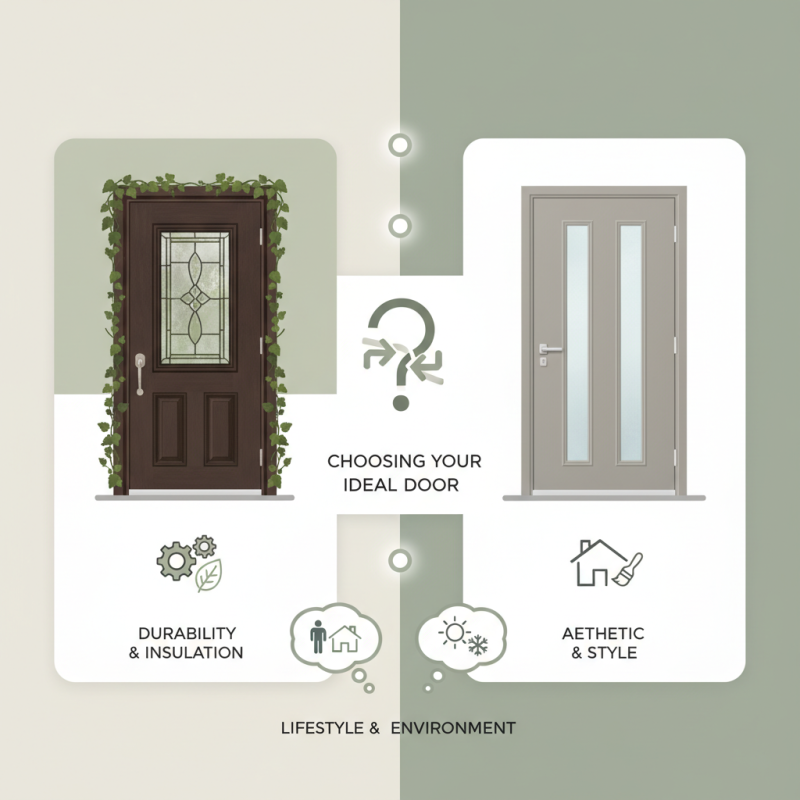
When selecting house doors, consider factors like durability, insulation, and style. Wooden doors offer classic beauty but may require more maintenance. Fiberglass doors are low maintenance and energy-efficient. The right choice depends on your specific needs and environment.
It’s important to reflect on your lifestyle when choosing house doors. A door should not only enhance your home’s curb appeal but also serve its purpose effectively. Understanding your unique requirements will guide you to the ideal door solution.
Types of House Doors: An Overview of Options Available
When selecting house doors, various options meet different needs. Each type offers unique benefits and drawbacks. Understanding these can help in making informed choices.
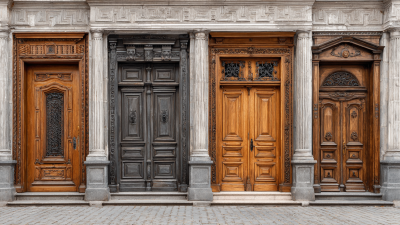
Wooden doors are classic and versatile. They provide a warm aesthetic that enhances curb appeal. However, they require regular maintenance to prevent warping and rotting. Steel doors offer security and durability but can be cold and less inviting. They often need better insulation to keep homes comfortable.
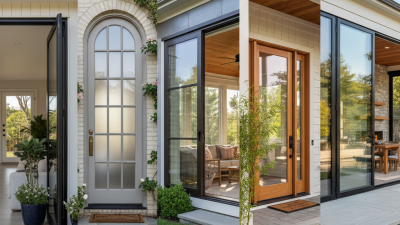
Fiberglass doors are gaining popularity. They mimic the look of wood but are resistant to weather extremes. Cost can be a downside, and some may find them less authentic. Glass doors are sleek and modern, ideal for natural light. However, they require more privacy considerations.
Reflecting on the type that fits your lifestyle is crucial. Each choice presents trade-offs that should align with personal needs and values.
Material Considerations for House Doors: Wood, Steel, Fiberglass, and More
When choosing a house door, the material plays a crucial role. Different materials offer distinct benefits and drawbacks. Wood doors are classic and visually appealing. They provide good insulation and are customizable. However, they may warp over time, especially in humid conditions.
Steel doors are robust and secure. They resist dents and provide excellent security. However, they can rust if not properly coated. Fiberglass doors, on the other hand, are low-maintenance and energy-efficient. They mimic wood's appearance but are less prone to damage.
**Tip:** Consider the climate in your area. Harsh weather can impact the longevity of a door's material.
Another aspect to weigh is the door's energy efficiency. A well-insulated door can significantly reduce heating and cooling costs. Look for options that come with energy ratings.
**Tip:** Regular maintenance is key to prolonging a door's lifespan. Check seals and hinges frequently, and treat wood doors to prevent moisture damage.
What is the Best Type of House Doors for Your Needs?
| Material |
Durability |
Energy Efficiency |
Maintenance |
Cost Range |
| Wood |
Moderate |
Good |
High |
$200 - $2,000 |
| Steel |
High |
Excellent |
Low |
$150 - $1,500 |
| Fiberglass |
High |
Excellent |
Very Low |
$300 - $2,500 |
| Composite |
Moderate |
Good |
Moderate |
$250 - $1,800 |
| Aluminum |
High |
Good |
Low |
$200 - $1,500 |
Energy Efficiency: How Door Choices Affect Home Insulation
Selecting the right type of door can significantly impact your home’s energy efficiency. An efficient door acts as a barrier against outside temperature fluctuations. Statistics indicate that up to 30% of a home’s heating and cooling energy can be lost through poor door insulation. This substantial loss makes door selection crucial for homeowners looking to reduce energy costs.
Many modern doors incorporate advanced insulation materials. Fiberglass doors, for instance, provide excellent R-values, which measure resistance to heat flow. Reports from the U.S. Department of Energy suggest that a door with an R-value of 5 can decrease heating and cooling costs. This translates into noticeable savings over time. However, not all fiberglass doors are created equal; some models may fail to meet insulation standards, which can lead to unexpected energy bills.
Installation also plays a vital role in energy efficiency. A well-fitted door minimizes air leaks, which can account for significant energy waste. It’s essential to inspect seals and hardware regularly. Neglecting these details can undermine the benefits of an otherwise effective door. Balancing style, cost, and energy efficiency can be challenging, but making informed choices is key to achieving better home insulation.
Aesthetic Factors: Matching Your Door to Your Home's Style
When choosing a door, aesthetic appeal is crucial. The right door can enhance your home's overall design. A recent survey from the National Association of Home Builders found that 75% of homeowners prioritize aesthetics in their choice of entry doors. It reveals how vital visual harmony is to property owners.
To align your door with your home's style, consider architectural elements. A modern home might benefit from sleek, minimalist designs. Conversely, a traditional house often pairs well with ornate, classical doors. The color of your door also matters. Homes with a neutral palette may thrive with a bold door color for contrast. In contrast, a vibrant home might require more subdued options to prevent clashing.
While aesthetics are important, practicality shouldn’t be overlooked. Consider durability and energy efficiency. According to a study by the Door and Window Manufacturers Association, energy-efficient doors can reduce energy bills by up to 15%. A beautiful door is ideal, but it must also withstand weather elements and resist decay. Balancing beauty and functionality often requires thoughtful consideration to meet your specific needs without compromise.