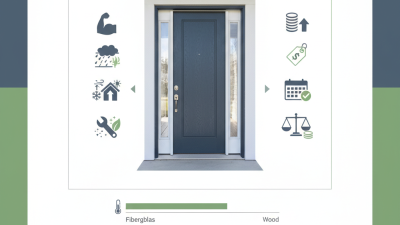
Best Replacement Entry Doors for Your Home Design Needs?
When it comes to enhancing your home's design, choosing the right replacement entry doors is crucial. According to a report from the National Association of Realtors, replacing your front door can yield a return on investment of up to 75%. This statistic highlights the significance of entry doors in boosting not just aesthetics, but also property value. Industry expert Mark Johnson mentions, “A stylish entry door can transform the entire look of a home while providing security.”
In recent years, homeowners have increasingly focused on energy efficiency alongside design. A study by Energy Star indicates that energy-efficient doors can save homeowners over $100 annually on energy bills. However, with the plethora of options available, it is essential to navigate the choices wisely. Many homeowners often overlook the potential drawbacks of selecting the wrong material or style, which could lead to unnecessary expenses down the line.
Ultimately, the decision surrounding replacement entry doors should involve a mix of aesthetics, functionality, and efficiency. It's important to reflect on your budget and the long-term value of your investment. Choosing wisely can lead to an inviting entryway that aligns with your home's overall design vision.
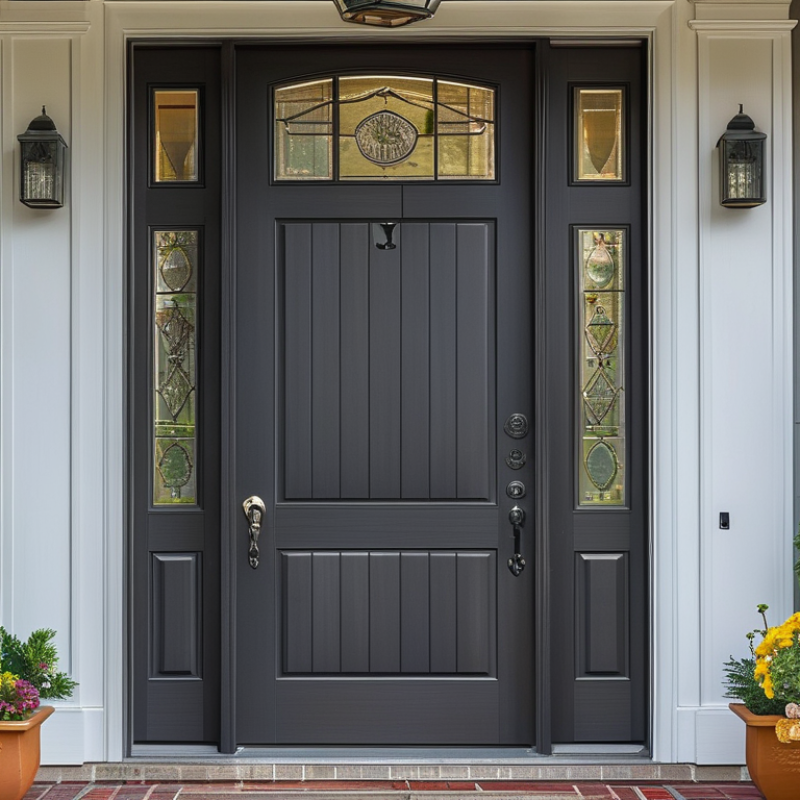
Understanding Different Types of Replacement Entry Doors
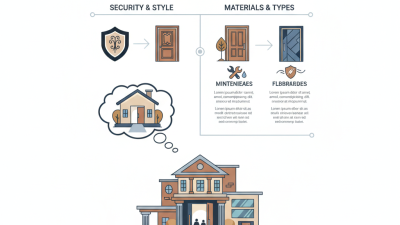
Choosing the right replacement entry doors can significantly enhance your home's appeal and security. Understanding the different types available allows homeowners to make informed decisions.
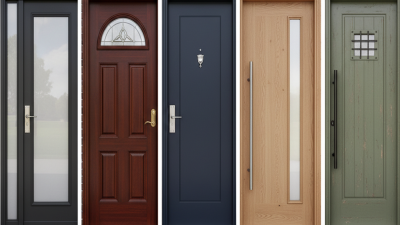
Fiberglass doors are popular due to their durability and energy efficiency. They can mimic wood finishes yet withstand harsh weather conditions.
Wood doors offer a classic look, adding warmth and character. However, they require regular maintenance.
Homeowners must consider potential warping and rot over time. Steel doors are robust and offer superior security. They may lack some aesthetic appeal but deliver excellent insulation.
It's crucial to weigh pros and cons carefully. Each door type serves different needs. Consider your budget, design preferences, and climate challenges before deciding.
A door is not just an entryway; it sets the tone for your home. Choose wisely to reflect your style.
Factors to Consider When Choosing an Entry Door
When selecting an entry door, several factors play a crucial role. The door's material is a primary consideration. Solid wood doors offer aesthetic appeal but require more maintenance. Fiberglass doors, on the other hand, resist dents and weather better. According to the Department of Energy, over 75% of homes with well-insulated doors see considerable energy savings. This can lead to reduced utility costs.
Security is another vital aspect. The door's locking system should be reliable and robust. A study by the National Association of Home Builders highlights that homes with secure entry doors see a 30% decrease in burglary rates. Durability is also essential; doors should withstand harsh weather. A poor choice may lead to more frequent replacements, which can be costly.
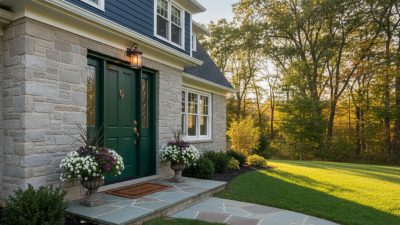
Aesthetic appeal should not be overlooked. The entrance sets the tone for the entire home. Styles range from modern to traditional. The entry door can elevate curb appeal, making it a central design element. However, an ill-fitted door can ruin this effect, leading to a need for reassessment. Precise measurements and professional installation can help avoid such issues, ensuring lasting satisfaction.
Popular Materials for Entry Doors: Pros and Cons
When selecting entry doors, material choice significantly influences aesthetics and functionality. Popular options include wood, fiberglass, and steel. Each material presents unique advantages and drawbacks.
Wood doors offer natural beauty and can be customized easily. However, they are susceptible to moisture and warping. According to the National Association of Home Builders, wood doors can last over 30 years with proper maintenance. Yet, neglect could lead to significant repairs.
Fiberglass doors are known for their durability and energy efficiency. They resist dents and are highly customizable. The U.S. Department of Energy states that they can reduce energy costs. A downside is that not all fiberglass options mimic the look of wood perfectly, which some homeowners may miss.
Steel doors are robust and secure. They provide excellent insulation. Many homeowners appreciate their low maintenance. However, they can be prone to rust and may require periodic touch-ups. The quality of the paint finish matters here. Investing in higher-quality options can mitigate potential issues.
Homeowners should weigh these characteristics carefully to select the most suitable entry door for their needs and environment.
Design Styles for Entry Doors to Enhance Home Aesthetics
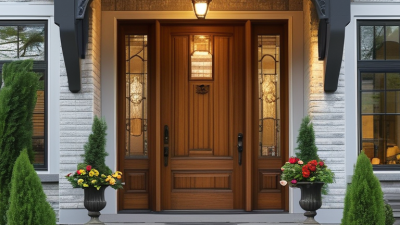
When considering entry doors, design plays a crucial role in enhancing your home’s aesthetics. Various styles exist, each offering distinct visual appeal. Traditional doors, often crafted from solid wood, exude warmth and timeless elegance. They feature intricate carvings and rich finishes that can elevate a classic home’s character. However, these doors may require regular maintenance to prevent warping and weathering.
On the other hand, modern doors embrace simplicity and functionality. They often incorporate sleek lines and minimalist designs, using materials like fiberglass and metal. These doors can complement contemporary homes effectively. Yet, some homeowners might find that such styles lack the charm found in traditional designs. It’s essential to strike the right balance between aesthetics and practicality.
For those seeking a unique touch, consider doors that blend styles. A rustic door with modern hardware can create a striking contrast. This approach allows for creativity but may sometimes confuse the overall design theme. Always keep in mind how your choice will resonate with the rest of your home’s facade.
Best Replacement Entry Doors for Your Home Design Needs
Sustainable and Energy-Efficient Entry Door Options
When considering entry doors, sustainability and energy efficiency are key factors. A report from the U.S. Department of Energy highlights that doors account for about 10% of energy loss in homes. Many consumers are now turning to eco-friendly options to enhance their home’s performance.
Fiberglass and steel doors are popular choices. They provide exceptional insulation and durability. According to the National Association of Home Builders, energy-efficient doors can reduce heating and cooling costs by up to 20%. These materials resist warping and splitting, contributing to a longer lifespan.
Additionally, adding weather stripping and proper seals can significantly improve efficiency. Though these upgrades come with a price tag, the long-term savings on energy bills often outweigh initial costs. Eco-friendly doors also can come with a larger carbon footprint if not sourced responsibly. Homeowners must consider the sustainability of the materials used in their manufacturing. The balance between aesthetics and performance is crucial in selecting the best entry door for any home.