Who Is the Best China Grass Wall Panel Supplier?
Choosing the best China Grass Wall Panel supplier requires more than comparing catalog prices. Buyers should examine material quality, manufacturing experience, customization ability, and after-sales support. A convincing supplier can explain its production process clearly, from raw material selection to packaging and inspection.
Real project experience matters. Request recent samples, installation photos, and references from comparable hospitality, retail, or residential projects. Touch the panels if possible. Check their texture, backing, edge finish, color consistency, and resistance to moisture or fading. Small details often reveal factory discipline. Ask whether the supplier can provide test reports, technical data, and export documentation for your destination market. These documents do not replace judgment, but they improve confidence.
No supplier is perfect. A factory may offer excellent pricing but limited design support. Another may provide beautiful panels but struggle with delivery schedules. This guide compares practical factors, including production capacity, communication, quality control, lead times, packaging, and service reliability. It also considers how suppliers respond when specifications change or defects appear. That moment matters.
The best Grass Wall Panel supplier is not always the cheapest option. It should understand your application, communicate limitations honestly, and support the project after payment. Buyers should verify claims independently and avoid relying only on polished websites or vague factory promises. A careful evaluation can reduce costly replacements, uneven installations, and delays. The final choice should fit your project, budget, performance expectations, and long-term maintenance plan. Experiences differ, so leave room for critical review.
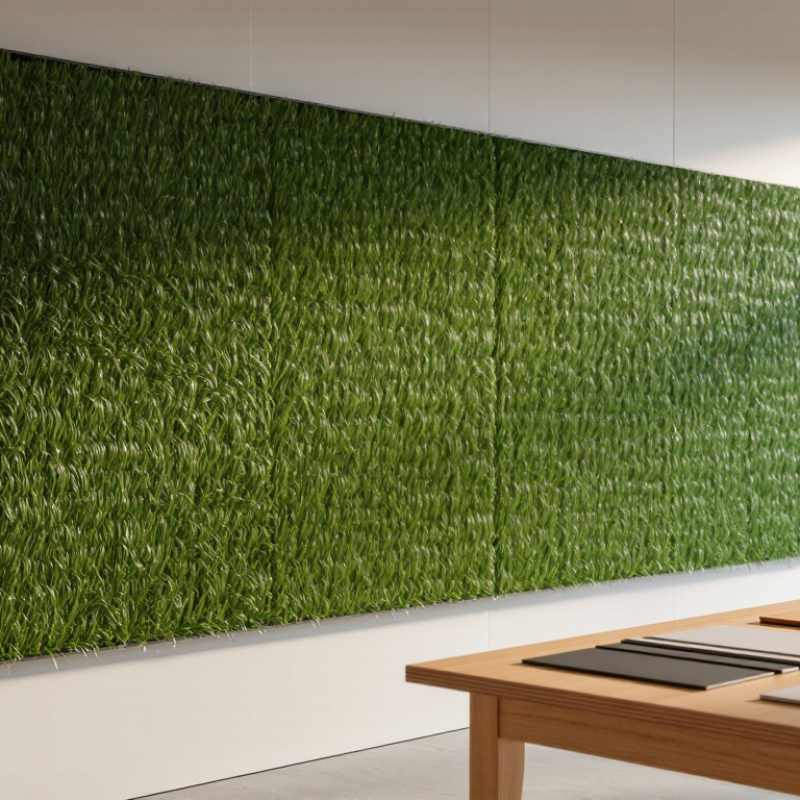
What Are China Grass Wall Panels and How Are They Used?
China grass wall panels are decorative panels covered with artificial grass, faux foliage, or mixed greenery. Many are manufactured in China and supplied as modular sections. Their plastic leaves attach to a mesh or plastic backing, allowing quick installation on walls, fences, ceilings, and display structures.
In practical projects, these panels create a green backdrop without watering, pruning, or soil. I have seen them used in cafés, reception areas, balconies, photo zones, and retail displays. A 50-by-50-centimeter panel is easy to lift and align. However, appearance changes under warm lighting. Dense panels can also collect dust between the leaves, which is often overlooked.
For indoor use, check the backing, odor, color stability, and cleaning instructions. Outdoor applications require stronger UV resistance, secure fasteners, and drainage behind the panel. Ask suppliers for material details, test reports, sample pieces, and accurate panel dimensions. Fire-performance documentation may be important for commercial interiors, depending on local requirements. A reliable supplier should explain these limits clearly instead of promising permanent color. Installation experience matters too. Uneven walls may need a frame, while windy locations need more fixing points. Some low-cost panels look convincing online but feel thin in hand. That lesson is easy to learn late.
What Defines a Reliable Grass Wall Panel Supplier?
Who Is the Best China Grass Wall Panel Supplier?
What Defines a Reliable Grass Wall Panel Supplier?
A reliable China grass wall panel supplier offers more than attractive samples. They provide stable color, consistent density, and accurate panel dimensions. Grand View Research reports that the artificial turf market may grow at about 6.6% annually through 2030. This growth increases supplier choices, but quality can vary sharply. Ask for production records, material specifications, and recent batch photos. A serious supplier should explain backing materials, UV additives, drainage design, and expected service conditions. Vague answers are warning signs.
Professional verification matters. Request reports for UV aging under ISO 4892-3 or ASTM G154 conditions. For indoor projects, ask whether the panel system has been assessed under EN 13501-1 fire classification requirements. These tests do not guarantee perfect performance. They reveal how the product responds under defined conditions. Confirm that the report matches the supplied material, not only a similar sample. Independent inspection before shipment can check carton counts, panel size, odor, and visible defects. This step feels slow, yet replacement costs are usually higher.
Tips: Order a small trial batch first. Expose it to sunlight, moisture, and handling. Check whether the backing curls after several days. Compare two production batches, not just one. A supplier may pass document checks but still deliver uneven color. That uncomfortable possibility deserves attention. Ask for corrective-action records when defects appear. Reliable suppliers discuss problems clearly, instead of promising perfection.
How Should Buyers Compare Prices, Materials, and Custom Services?
Who Is the Best China Grass Wall Panel Supplier?
Price should never be the only comparison point. A very low quote may exclude backing, edge treatment, packaging, or export documentation. Ask for a complete quotation with panel size, thickness, density, minimum order quantity, and delivery terms. Request physical samples, not only catalog images. Check the surface closely. Natural grass fibers should look consistent, while artificial fibers should resist shedding during gentle rubbing. Small differences matter.
Material suitability depends on the room. For humid areas, confirm moisture resistance and backing stability. For commercial interiors, ask for fire-performance reports from recognized testing laboratories. Verify the test standard and product batch. Do not accept vague claims. Custom service also needs measurement accuracy. Suppliers should confirm colors, patterns, cut dimensions, corner details, and installation drawings. I once overlooked packaging strength. Several panels arrived with crushed edges. The price looked attractive, but replacement costs changed the calculation.
Tips: Compare the landed cost, not the factory price. Ask for sample approval before mass production. Check lead times in writing. Review warranty limits and after-sales response. A reliable supplier answers technical questions clearly and admits what the product cannot do. Sometimes, that honesty is more valuable than a polished showroom.
What Quality Checks Should Be Completed Before Placing an Order?
Before placing an order for China grass wall panels, inspect more than product photos. Request a physical sample, not only a digital color chart. Check the backing, woven surface, edge finish, and panel thickness with a ruler. I once found attractive panels with uneven backing, which made installation frustrating. Small defects become obvious under bright retail lighting. Ask for production specifications. They should state material composition, dimensions, weight, color tolerance, and packaging method.
Compare several samples from different production batches. Natural-looking grass fibers may vary slightly, but large color shifts suggest weak process control. Measure three points on each panel. Record length, width, thickness, and flatness. Press the corners gently. Look for lifting, loose fibers, bubbles, or adhesive marks. Rub a hidden area with a clean white cloth. Expose another sample to expected humidity and light for several days. This is not a laboratory test, but it may reveal early curling or color change.
Ask for independent test reports with product identifiers and recent dates. Verify fire behavior, formaldehyde emissions, moisture performance, and odor requirements for your project. Do not accept vague claims such as “eco-friendly” without measurable evidence. Confirm carton labels, pallet protection, replacement terms, and inspection procedures in writing. A pre-shipment inspection should check random cartons, not just one showroom panel. Photograph defects and keep measurements beside the sample. One weakness remains: visual inspection cannot predict every installation problem. An experienced installer should review the substrate and fixing method before payment.


