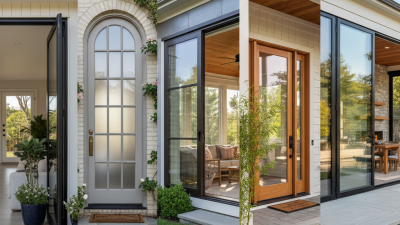
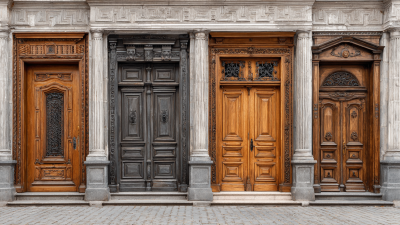
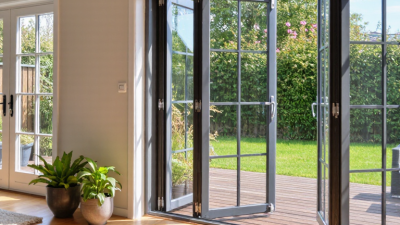
2026 Best Doors and Windows for Global Buyers?

Choosing the right doors windows for global projects requires more than comparing prices and attractive photographs. Buyers must examine climate, building use, installation quality, maintenance access, and verified performance data. A coastal home may need corrosion-resistant hardware, while a cold-climate apartment needs low-U-value glazing and reliable seals. Small details matter. A poorly adjusted frame can waste energy, admit rain, and create uncomfortable drafts.

This 2026 guide considers practical solutions for homeowners, architects, developers, and importers across different markets. It focuses on thermal efficiency, acoustic control, security features, durability, design flexibility, and responsible manufacturing. Product certifications and laboratory reports can provide confidence, but they should not replace local inspection or experienced installation. Regional building requirements also vary, so buyers should confirm compliance with qualified professionals before ordering.

Real-world performance is rarely perfect. Delivery conditions, wall tolerances, installer skills, and after-sales support can change the final result. Even an excellent window may fail when fitted without proper drainage or expansion space. That uncomfortable fact deserves attention. We compare materials such as uPVC, aluminum, timber, and composite systems, while noting their strengths and limitations. We also consider warranties, replacement parts, packaging, and long-term operating costs. The best choice is not always the cheapest or most fashionable option. It is the solution that performs reliably in its intended environment, supported by clear evidence and accountable service.
2026 Best Doors and Windows for Global Buyers?

Types of Doors and Windows Available to Global Buyers in 2026

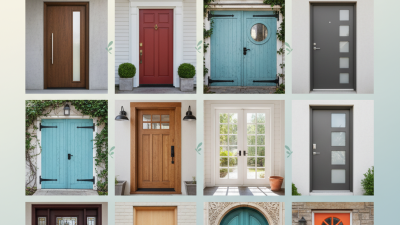
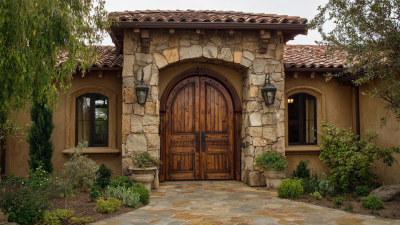
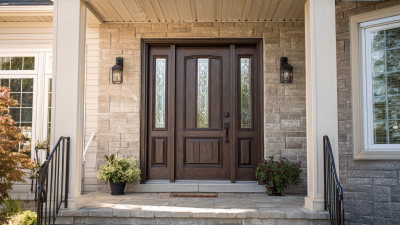
In 2026, global buyers can choose from hinged, sliding, folding, pivot, and insulated entry doors.

Each type serves a different space and climate. Hinged doors suit traditional entrances and provide a strong seal. Sliding doors save room and connect living areas with patios. Folding systems create wider openings, but their tracks need careful cleaning. Insulated steel, fiberglass, aluminum, and engineered timber offer different balances of strength, weight, appearance, and maintenance.

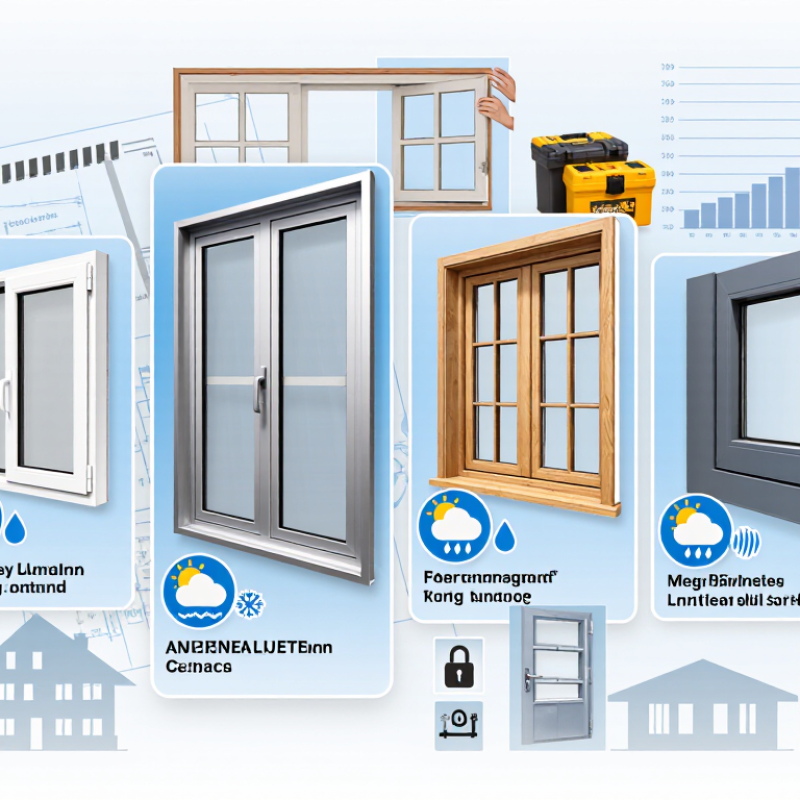
Window choices include casement, awning, sliding, fixed, tilt-turn, and roof windows.

Casement windows usually provide effective ventilation because their sashes open outward. Tilt-turn designs support secure ventilation and easier indoor cleaning. Fixed windows bring daylight but cannot provide airflow.

Buyers should compare glass layers, low-emissivity coatings, thermal breaks, drainage paths, and hardware quality.

A lower U-value generally indicates better insulation, but local climate and installation quality still matter.

Details matter.

Coastal homes need corrosion-resistant components and reliable drainage. Cold regions may require triple glazing and insulated frames. Hot climates benefit from solar-control glass, exterior shading, and ventilated designs.

I have seen attractive windows underperform because installers ignored wall movement and moisture barriers. That mistake is expensive.

Buyers should request test reports, installation drawings, warranty terms, and replacement-part details before ordering. Measurements should be verified on site, not copied from old plans.

Measure twice.

A perfect product can still fail when the opening, seal, or local building requirement is misunderstood.

Key Materials, Designs, and Performance Features to Compare

2026 Best Doors and Windows for Global Buyers?

For global buyers, compare materials, design, and measured performance—not appearance alone. The International Energy Agency reports that buildings use about 30% of global final energy. Windows and doors influence heating, cooling, daylight, and indoor comfort.

Thermally broken aluminum suits large openings and humid climates. uPVC offers low maintenance and stable insulation. Timber feels warm, but it needs careful moisture protection. Composite frames can balance strength and thermal efficiency.

Glazing

Glazing deserves equal attention. Low-emissivity coatings, argon filling, and warm-edge spacers can reduce heat transfer. Double glazing fits many moderate climates. Triple glazing performs better in cold regions, though it adds weight and cost.

The Passive House Institute commonly evaluates certified windows near a Uw value of 0.80 W/m²K or lower. However, lower values are not automatically better everywhere. Oversized glass may create overheating without external shading.

Airtightness, drainage, solar control, and tested wind resistance also matter. Small gaps matter.

Tips:

Request whole-window Uw, SHGC, air-leakage, and water-resistance data. Check testing standards, not only marketing labels. Match the specification to local climate, orientation, and installation quality. A strong frame can still fail with poor sealing. I have seen projects overvalue premium glass while ignoring flashing details. That choice deserves reconsideration. For coastal areas, ask about corrosion testing. For hot climates, prioritize shading before simply adding thicker glass.

Energy Efficiency, Security, Durability, and Smart Technology Standards

2026 Best Doors and Windows for Global Buyers?

Energy efficiency begins with the complete opening, not glass alone. During site inspections, installers often find heat escaping through poorly sealed frames and uneven thresholds. Look for tested U-values, strong weather seals, insulated frames, and low-emissivity glazing suited to the local climate. A window facing a hot coastline needs different performance from one exposed to freezing winters. Ask for independent test reports, installation guidance, and replacement-part availability.

Security should feel practical, not excessive. Laminated glass can resist impact better than ordinary panes, while multipoint locking systems improve resistance around the entire frame. Check hinge protection, cylinder quality, and emergency exit requirements with qualified local professionals. Durability also depends on materials and maintenance. Powder-coated metal, treated timber, and corrosion-resistant hardware perform differently near salt air. Small details matter.

Smart technology adds convenience, but it is not automatically reliable. Sensors can report opening status, condensation, or unusual movement through a secure home system. Yet a smart lock may fail during a power or network outage. Keep a mechanical backup. Privacy deserves equal attention, especially when devices collect access records. I have seen impressive specifications weakened by rushed installation. The lesson is uncomfortable: even an excellent product can underperform when measurements, drainage, or sealing are wrong. Real value comes from tested performance, skilled fitting, and honest maintenance expectations.

2026 Best Doors and Windows for Global Buyers: Energy Efficiency, Security, Durability, and Smart Technology Standards

Representative thermal performance of common glazing configurations. Lower U-value means better insulation, while SHGC indicates the fraction of solar heat transmitted through the glass.

Typical center-of-glazing reference values: single clear glass is approximately 5.8 W/m²K, double clear insulating glass is approximately 2.8 W/m²K, double low-emissivity glass is approximately 1.6 W/m²K, and triple low-emissivity glass is approximately 0.7 W/m²K. Actual whole-window performance depends on the frame, spacer, gas fill, coating, size, and installation quality. For complete purchasing decisions, also verify security under EN 1627, air permeability under EN 12207, water tightness under EN 12208, wind resistance under EN 12210, durability testing under applicable product standards, and smart-home compatibility such as Matter, Thread, Wi-Fi, or Bluetooth.

How to Select Suitable Products for Different Climates and Buildings

Selecting the best doors and windows in 2026 starts with climate, not appearance. In hot, sunny regions, use low-solar-gain glazing, shaded frames, and durable weather seals. In cold areas, prioritize insulated frames, warm-edge spacers, and low U-values. Humid coastal air demands corrosion-resistant hardware and carefully sealed joints. Salt finds weak points quickly.

Building type matters just as much. A high-rise apartment needs wind-rated units, secure locking, and controlled ventilation. A family home may benefit from larger openings, but wide glass areas can increase heat gain and cleaning demands. Historic masonry buildings require breathable solutions that respect uneven walls. New energy-efficient buildings need doors and windows that support airtight envelopes without creating condensation risks.

Read the performance data carefully. Look for tested air leakage, water resistance, wind pressure, acoustic control, and thermal performance. Local climate records and building regulations should guide the final specification. Experienced installers are equally important; a good window can fail through poor shimming, damaged seals, or incomplete drainage paths. Ask for installation details, maintenance instructions, and independent test evidence.

A low price can be a costly lesson. Yet expensive products are not automatically suitable. I have seen projects over-specify glass while ignoring orientation and shading. That mistake deserves reflection. Product selection should balance climate, structure, comfort, maintenance, budget, and the people using the building every day.

International Buying, Compliance, Customization, and Installation Considerations

Global buyers need more than attractive frames. They need documented performance and dependable installation support. The International Energy Agency reports that buildings consume about 30% of global final energy. Windows influence this result through heat loss, solar gain, and air leakage. The U.S. Department of Energy estimates that windows can cause 25–30% of household heating and cooling energy use. A certified window can still underperform when measurements are wrong.

Compliance should be checked before production, not after shipment. Ask for test reports covering thermal transmittance, air leakage, water penetration, wind resistance, and safety glazing. Requirements differ between markets. EN 14351-1, ISO 10077, and local building codes may use different calculation methods. Confirm the required documents with an independent laboratory or qualified consultant. Paperwork matters.

Customization must include the building, not only the product. Consider wall depth, drainage paths, coastal corrosion, ultraviolet exposure, glass weight, and local fixing methods. A 2-millimeter error can create visible gaps around a large frame. Installation teams should review shop drawings, anchoring points, sealants, and delivery protection. Field experience shows that damaged corners often begin with poor packaging. I have also seen excellent products lose performance after rushed installation. That lesson deserves more attention.